Limited Adoption of Prayer Periods in Texas Schools Despite Legislative Approval
In a move by the Texas Legislature to introduce daily prayer periods in schools, most districts have opted against implementing the new provision. The opportunity was presented through Senate Bill 11, which involved school boards deciding by March 1 whether to allow students a daily time for prayer and religious text reading during noninstructional hours, potentially before school.
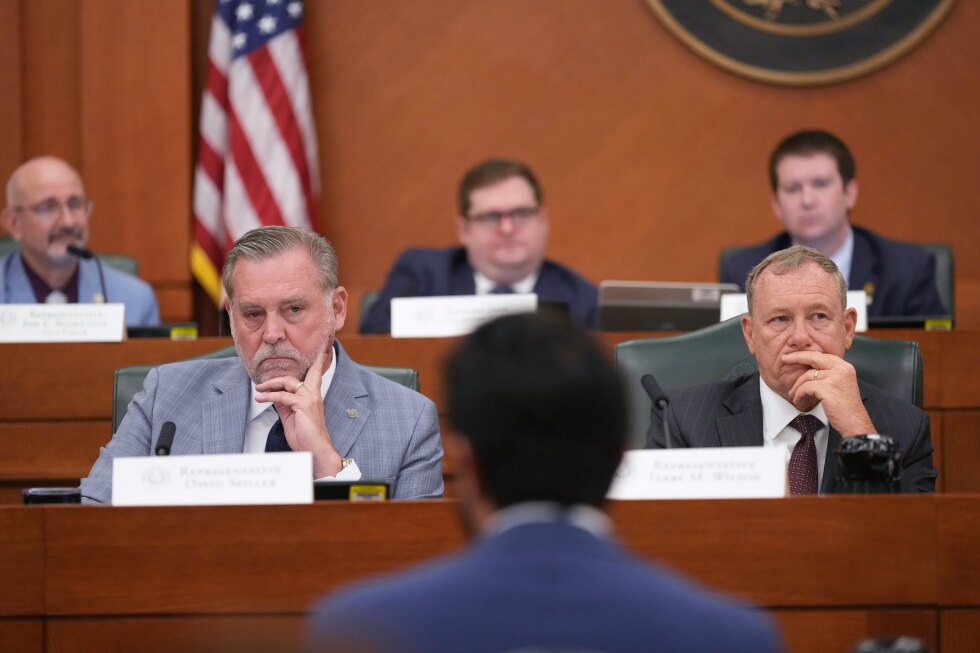
Rep. David Spiller, a key proponent of the bill, noted that only 15 districts have chosen to implement this devotional period. Many districts, regardless of their urban, suburban, or rural status, have voted against it. Spiller emphasized, “I respect their opinion. They know their communities. That’s not to say that they can’t come back and revisit it. But this is not a mandate. I’ve said very clearly from the start, this is not a mandate bill. The only thing that’s mandated is if they consider it. They don’t have to adopt it.”
SB 11 is among several measures recently passed to promote a conservative Christian presence in public education, testing church-state separation boundaries. This includes laws for posting the Ten Commandments in classrooms, allowing unlicensed chaplains to provide counseling services, and creating an optional state curriculum with Christian references.
The bill mandates consent forms from families opting for the prayer period, waiving their right to sue over legal violations and ensuring student choice. It restricts religious texts being read over public address systems and requires separation from non-consenting students.
Resistance is notable, with over 160 faith leaders urging districts to reject the policy, citing administrative burdens, existing religious rights for students, and potential harm to non-participating children. Civil rights advocates argue that the law infringes on church-state separation, while Texas Attorney General Ken Paxton encouraged participation, even suggesting engagement with the Lord’s Prayer “as taught by Jesus Christ.”
Despite the legislative push, many of the state’s approximately 1,200 districts, including conservative ones, declined. Concerns were raised about managing consent requirements and the promotion of a singular Christian vision. Existing policies already support religious clubs and prayer events, leading some to view the law as unnecessary. Alex Kotara from the Karnes City school district described it as a measure that “passes the buck to local school districts” and criticized its opt-out requirement forcing a public stance on school prayer.
While Spiller acknowledged existing protections for religious practices in schools, he argued that SB 11 enhances them by mandating daily prayer opportunities. “It’s not a gotcha bill,” he stated, warning that boards dismissing it without public input might face backlash for denying a perceived right.
The Aledo school district, one of the few that adopted the prayer period, did so to affirm existing rights rather than expand them, according to school board President Forrest Collins, who remarked, “Basically, the state Legislature forced us to vote on something schools already support, and our vote was really just to reaffirm the constitutional rights of students. I felt like, personally, the bill was kind of a waste of time.”
“`