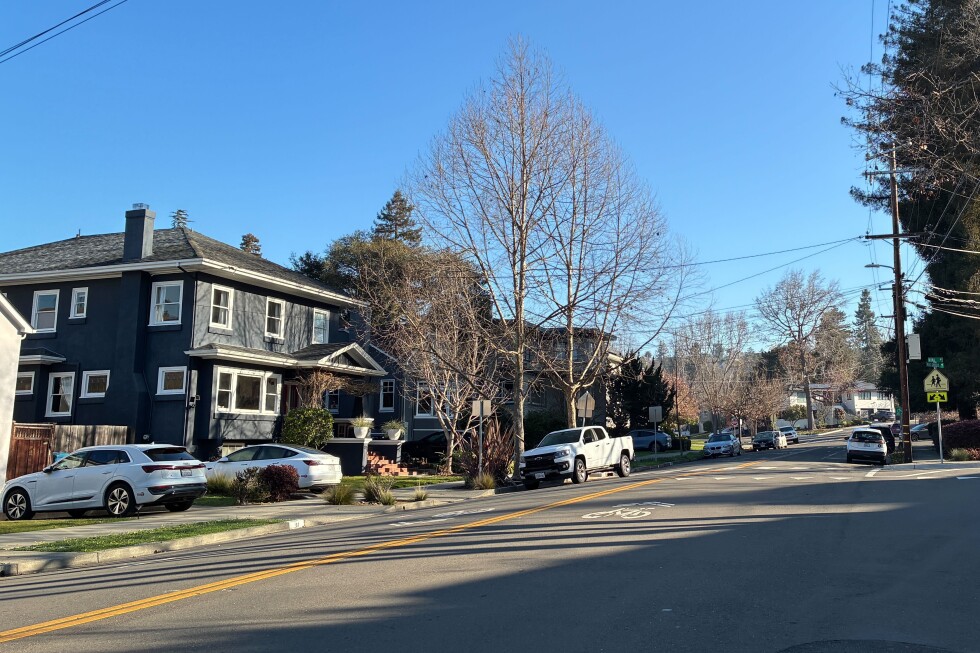
In the 1920s, a Black family from West Oakland faced severe racial hostility after purchasing a residence in Piedmont, an affluent community known for its luxurious homes and wealthy inhabitants. Sidney Dearing, along with his wife Iréne and their two children, encountered violent resistance soon after moving into their new home on Wildwood Avenue, close to the Oakland city boundary.
Despite the family’s efforts to settle in peacefully, they were met with aggression from local residents. In May 1924, a threatening crowd of 500 Piedmont locals encircled the Dearing home, demanding they sell the property to a white family. When Sidney Dearing declined, the family was subjected to a series of violent attacks, including a drive-by shooting that damaged their home and vehicles. Additionally, threats from the Ku Klux Klan and other forms of intimidation became regular occurrences.
The situation escalated with multiple bombing attempts, which fortunately did not result in any casualties. Piedmont city officials then intervened, claiming the need to condemn the Dearing property to construct a connecting street. This legal maneuver allowed the city to forcibly acquire the house. As reported by the Oakland Tribune, Piedmont’s mayor at the time, Oliver Ellsworth, admitted that the road construction was a pretext to force the family out.
Under mounting pressure, the Dearings eventually relocated, with Iréne and the children moving back to Oakland first, followed by Sidney after the city commenced condemnation proceedings. The proposed road was never built.
Fast forward to today, Jordana Ackerman, a descendant of the Dearing family, has initiated legal proceedings against the city of Piedmont. Filed in Alameda County Superior Court, the lawsuit accuses the city of racial discrimination and fraudulently using the road project as a guise to evict the Dearings. Legal representation is provided by the Legal Defense Fund, a renowned civil rights organization.
The lawsuit contends that the city’s actions violated the equal protection clause of the California Constitution, which prohibits racial discrimination. Leah Aden, a senior counsel at the Legal Defense Fund, emphasized the historical context of such racially motivated land seizures in the United States, including the Piedmont case.
Although city officials have not yet responded to the lawsuit, there have been efforts to address the past. In 2020, amid nationwide racial justice movements, Piedmont residents revisited this dark chapter in their history. Meghan Bennett, a local resident, launched a website documenting the Dearing family’s struggles and the involvement of city officials like Burton Becker, a known Klan member who later became Alameda County sheriff.
Piedmont’s Path Toward Reconciliation
To acknowledge this past, Piedmont is planning a memorial for the Dearing family. The memorial, designed by Oakland landscape architect Walter Hood, is intended to be a contemplative space for visitors to reflect on the family’s ordeal. The city has allocated $400,000 for the memorial’s development. Despite these efforts, the legacy of racial exclusion remains evident, as less than 1% of Piedmont’s current population of 10,800 is Black, according to the U.S. Census.
The case of the Dearings is a poignant reminder of the systemic racial injustices that have shaped many communities. As Leah Aden stated, addressing and repairing the harm done by such expulsions is not only necessary but achievable, given Piedmont’s resources.