U.S. Census Bureau’s 2030 Census Test Raises Citizenship Inquiry Concerns
The U.S. Census Bureau has initiated a field test for the 2030 census, incorporating a controversial citizenship question, which has rekindled debates from the previous decade. This practice test is being carried out in Huntsville, Alabama, and Spartanburg, South Carolina, and diverges from standard census methods by utilizing questions from the American Community Survey (ACS) rather than past census forms.
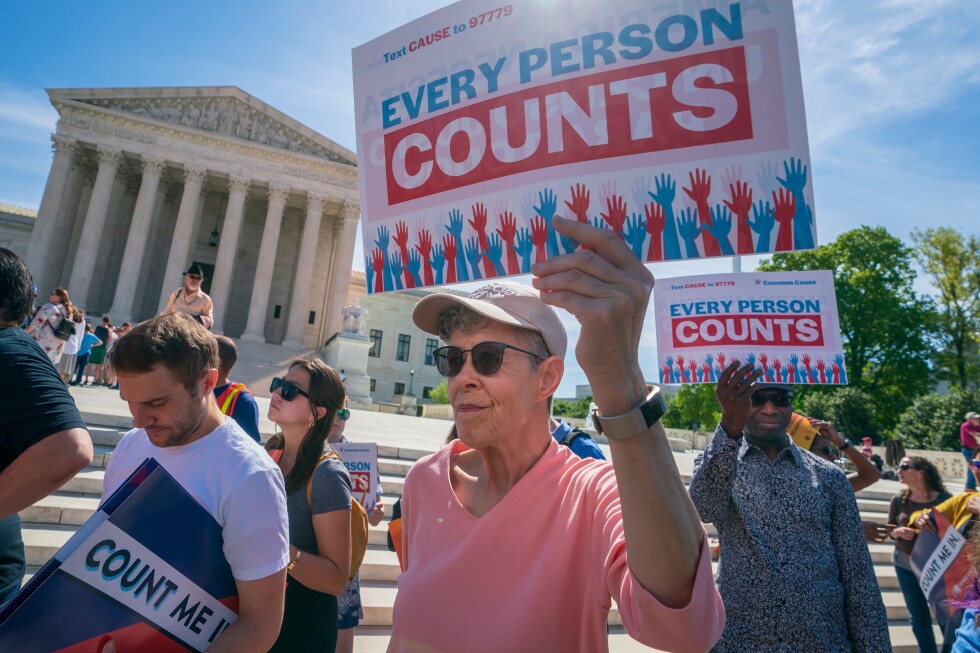
The inclusion of the question, “Is this person a citizen of the United States?” is notable as citizenship inquiries have been absent from the census for 75 years. This development comes in light of a prior unsuccessful attempt during President Donald Trump’s first term to alter the decennial headcount by including a citizenship question and excluding individuals in the U.S. illegally from apportionment counts.
Last August, former President Trump directed the Commerce Department to pursue a census approach that would omit undocumented immigrants from the population count used for apportionment, which determines congressional representation and Electoral College votes. Traditionally, the Census Bureau has interpreted the 14th Amendment’s mandate to count the “whole number of persons in each state” to include all residents, regardless of legal status.
The Census Bureau has not provided comments regarding the rationale behind using ACS questions for the 2026 test. Terri Ann Lowenthal, a consultant on census issues, noted that this is the first instance of ACS questions being employed in a census field test. She expressed concern over the reduction of the test from six sites to two, describing it as a significant deviation from comprehensive field testing that could compromise the accuracy of the 2030 Census.
This field test aims to refine methods for accurately counting populations that were underrepresented in the 2020 census, with innovations including the involvement of U.S. Postal Service workers in tasks traditionally handled by census workers. Initially, the test was slated for six locations, but four sites, including Colorado Springs, western North Carolina, western Texas, and tribal lands in Arizona, were recently excluded.
Mark Mather from the Population Reference Bureau emphasized the methodological challenges posed by using ACS questions for the census, arguing that the ACS format does not adequately simulate the operations of the 2030 census. He stated, “The ACS form wouldn’t provide a valid test of 2030 census operations. It’s a completely different animal.”
During his presidency, Trump faced legal hurdles when attempting to add a citizenship question to the 2020 census and to exclude undocumented immigrants from apportionment counts. These efforts were ultimately blocked by the U.S. Supreme Court and rescinded by President Joe Biden upon entering office.
In response to these ongoing issues, Republican legislators have proposed new measures to exclude certain non-citizens from apportionment figures, and several GOP state attorneys have filed federal lawsuits in Louisiana and Missouri seeking to enforce the inclusion of a citizenship question and exclude undocumented immigrants from the next census count.
For more information on the U.S. Census Bureau, visit AP’s dedicated hub.