You’re reading The Briefing, Michael Waldman’s weekly newsletter. Click here to receive it in your inbox.
Debate Highlights: Trump’s Controversial Claims and the Big Lie
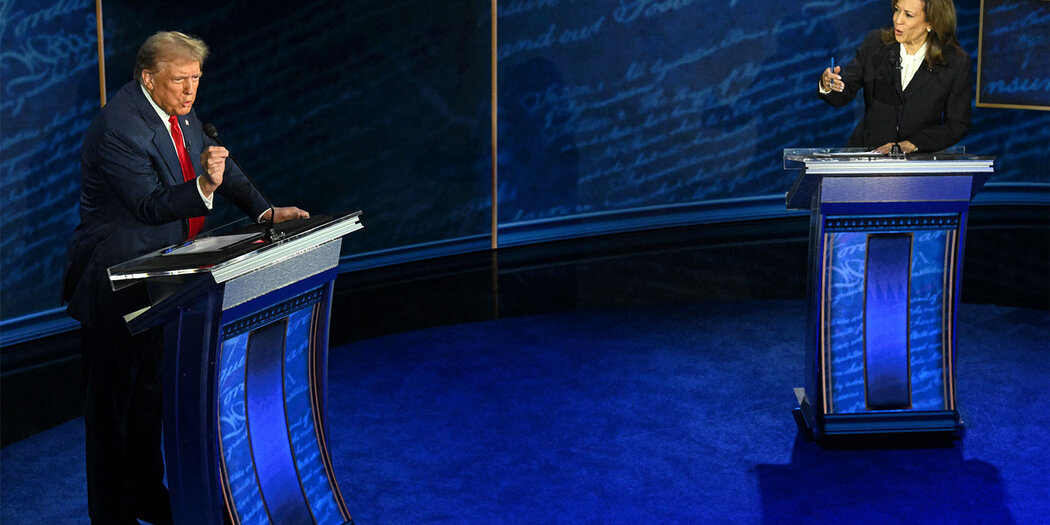
In the latest presidential debate, former President Donald Trump made headlines with his assertion that migrants in Ohio are consuming cats and dogs. This statement quickly became the debate’s most talked-about moment.
While analysts will delve into the candidates’ policies and debate performances, one subject stands out: the persistent claim of a stolen 2020 election. When a moderator noted that courts had dismissed Trump’s fraud allegations, Trump retorted that judges never actually reviewed his evidence. He argued that cases were dismissed on the grounds of lacking legal standing.
The reality is different. A total of 63 courts examined cases presented by Trump and his supporters, dismissing them with terms like “flimsy,” “incorrect and not credible,” and “strained legal arguments without merit and speculative accusations . . . unsupported by evidence.” The Supreme Court also declined to hear these cases.
While some courts cited lack of standing, 30 explicitly reviewed the evidence and found no merit in Trump’s claims. Notable conservative figures, including lawyers and senators, documented that Trump lost 29 of these cases. Claims ranged from rigged voting machines to improperly counted ballots, mail ballot irregularities, ineligible voters, and observer exclusions at polling places. Trump did win one case in Pennsylvania, but it involved too few ballots to impact the election outcome and did not pertain to fraud.
Emerging Election Myths
This year, unfounded claims are shifting towards noncitizens voting illegally. Despite robust state systems ensuring only eligible citizens vote, rumors persist. Some House Republicans even propose legislation requiring passports or birth certificates for voter registration. However, such measures lack sufficient support in Congress.
These rumors threaten to undermine the integrity of upcoming elections. This tactic, dubbed the “Big Lie,” is being pre-emptively deployed.
Migrant Crime Claims
Trump also linked immigration to a supposed crime surge, describing it as a “migrant crime wave” and claiming, “Crime here is up and through the roof. We have a new form of crime. It’s called migrant crime. And it’s happening at levels that nobody thought possible.”
Research by the Brennan Center contradicts these assertions. Crime did peak in 2020, largely attributed to the Covid-19 pandemic. As the pandemic eased in 2022, crime rates generally declined, with some cities experiencing significant drops. Studies, including an extensive examination of bail reform, show no connection between legal reforms and the 2020 crime spike.
The notion of a migrant-driven crime wave is without foundation. In fact, immigration correlates with reductions in violent and property crimes. This narrative, blending fear of crime with nativist sentiments, is misleading.
The Brennan Center continues to counter misinformation with fact-based research and analysis. For more detailed studies and updates, visit our crime and justice reform series.