Minnesota and Cities Challenge Federal Immigration Actions
MINNEAPOLIS (AP) — On Monday, Minnesota, along with its two largest cities, filed a lawsuit against the Trump administration in response to a federal immigration enforcement surge. This operation resulted in the fatal shooting of a Minneapolis woman by a federal officer, sparking nationwide protests and dissent.
The coalition, which includes the state, Minneapolis, and St. Paul, argues that the Department of Homeland Security is infringing on the First Amendment alongside other constitutional rights. They are seeking a temporary restraining order to either stop the enforcement or impose limitations on the operation.
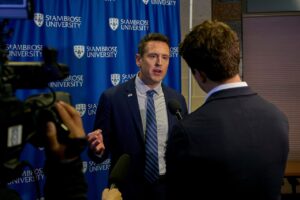
State Attorney General Keith Ellison stated, “This is, in essence, a federal invasion of the Twin Cities in Minnesota, and it must stop. These poorly trained, aggressive and armed agents of the federal state have terrorized Minnesota with widespread unlawful conduct.”
Homeland Security plans to deploy over 2,000 immigration officers to Minnesota and has reported more than 2,000 arrests since December. Immigration and Customs Enforcement describes the surge as their largest enforcement operation to date.
The legal action accuses the Republican-led Trump administration of undermining free speech by targeting a progressive state that is immigrant-friendly and predominantly Democratic.
St. Paul Mayor Kaohly Her, originally from Laos, commented, “They’re targeting us based on what we look and sound like. Our residents are scared. And as local officials, we have a responsibility to act.”
Federal Perspective on Public Safety
Homeland Security spokesperson Tricia McLaughlin responded by accusing Minnesota officials of neglecting public safety priorities.
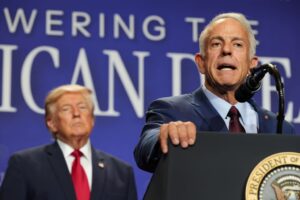
“President Trump’s job is to protect the American people and enforce the law — no matter who your mayor, governor, or state attorney general is,” McLaughlin stated. “That’s what the Trump administration is doing; we have the Constitution on our side on this, and we look forward to proving that in court.”
The administration faces another lawsuit over a similar crackdown in Illinois, where “Operation Midway Blitz” resulted in more than 4,300 arrests last year. The city and state claim the campaign created a climate of fear, deterring residents from leaving home or utilizing public services.
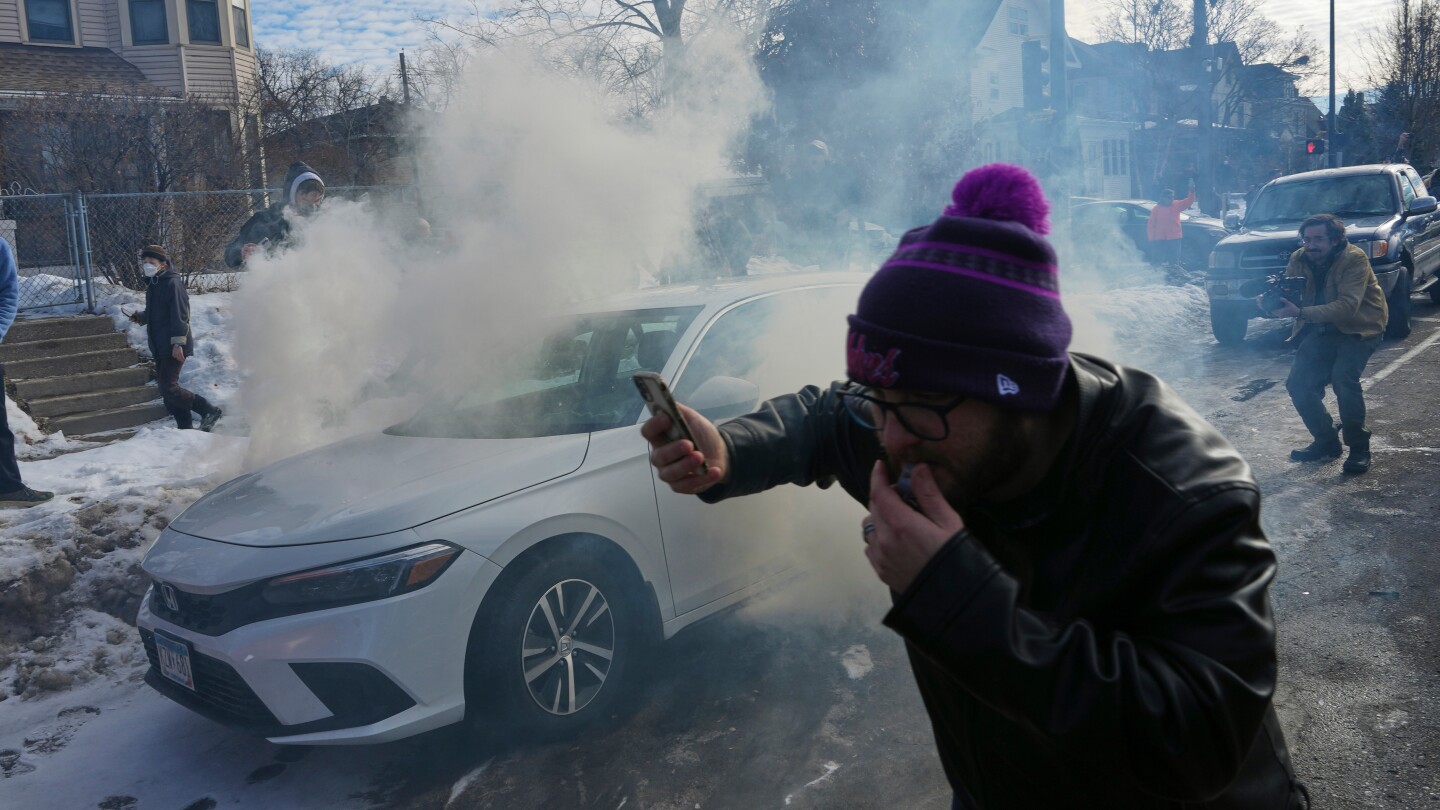
Activists in the Twin Cities frequently alert the public when agents are present, often capturing video of federal officers deploying tear gas to deter onlookers. Earlier on Monday, agents used tear gas to disperse a crowd in Minneapolis following a car crash, near the spot where Renee Good was fatally shot.
As agents questioned a man whose car was rear-ended, they employed tear gas to disband the crowd, leaving as people shouted, “cowards!”
Christian Molina, present at the scene, remarked, “I’m glad they didn’t shoot me or something,” and expressed concern about vehicle damages, asking, “Who’s going to pay for my car?”
Renee Good’s death on January 7 has prompted numerous protests and vigils nationwide, with demonstrators criticizing the Trump administration’s enforcement methods.
Trump administration officials continue to defend the immigration agent involved in the shooting, asserting that Good and her vehicle posed a threat. However, Minnesota Gov. Tim Walz and others dispute this claim based on video evidence.
Student Protests in Response to Federal Actions
In a show of dissent, hundreds of students from Roosevelt High School in Minneapolis staged a walkout after federal agents used tear gas on students and staff the previous week. Adults in safety vests directed traffic, and many parents, alumni of the school, participated in the protest.
The demonstrators held signs with messages such as, “ICE out” and “Welcome to Panem,” referencing the dystopian society from the “Hunger Games” series.
Meanwhile, in Portland, Oregon, federal authorities charged a Venezuelan national involved in a shooting by U.S. Border Patrol. The U.S. Justice Department claims the individual used a vehicle to hit a Border Patrol vehicle and evade capture, leading to a shooting incident where the individual and a woman were injured and subsequently arrested.
Unlike the Good shooting, the FBI reported no video evidence of the Portland incident.