Federal Judge Temporarily Blocks Trump Administration’s Funding Freeze to Five States
In a recent legal development, a federal judge has temporarily halted the Trump administration’s decision to withhold federal funds from five states led by Democrats. The states affected are California, Colorado, Illinois, Minnesota, and New York. This injunction prevents any immediate disruption in the funding of programs designed to aid low-income families with children.
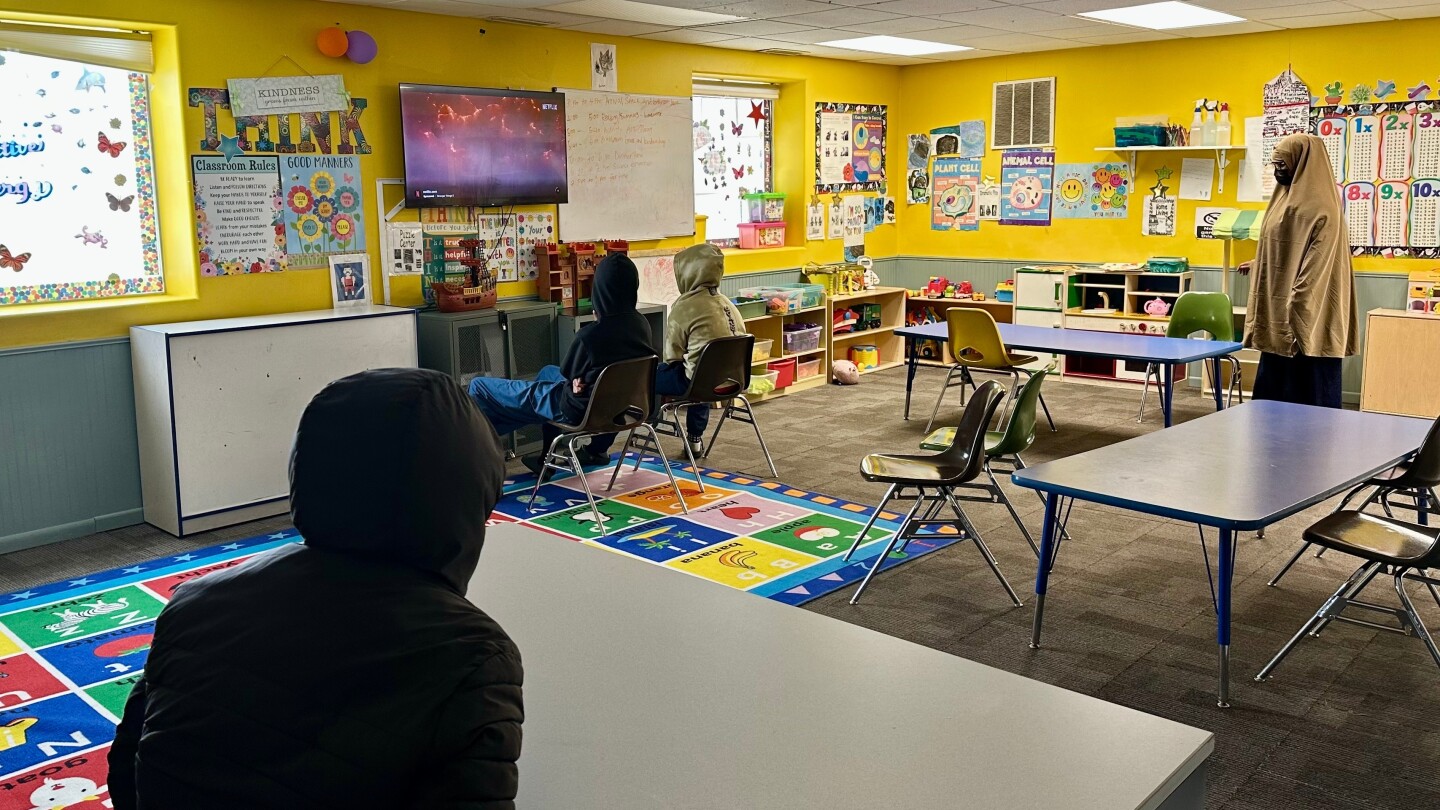
The controversy began when the U.S. Department of Health and Human Services announced a suspension of billions in funding for three critical grant programs. These programs include the Child Care and Development Fund, which assists 1.3 million children from low-income families, the Temporary Assistance for Needy Families (TANF) program, and the Social Services Block Grant. Collectively, these states receive over $10 billion annually from these funds.
The department justified its decision by alleging that the states were improperly extending benefits to individuals residing illegally in the country. However, they have yet to present evidence to support these claims.
U.S. District Judge Arun Subramanian, appointed by President Joe Biden, issued the temporary block, ensuring the continuation of funds for at least 14 days as legal proceedings continue. The judge noted that the states met the necessary legal criteria to maintain the status quo during this period.
New York Attorney General Letitia James, who is spearheading the lawsuit, lauded the judge’s decision as a “critical victory for families whose lives have been upended by this administration’s cruelty.” The states argue that the federal government’s actions are unconstitutional and politically motivated, aiming to target President Trump’s political rivals rather than address fraud, which they claim is already being managed.
The federal government had sought extensive data from the states, including personal details of benefit recipients since 2022. Jessica Ranucci, an attorney from James’ office, highlighted the immediate challenges faced by the states due to delayed funds, emphasizing the uncertainty it brings to families and child care providers reliant on these programs.
Conversely, Kamika Shaw, representing the federal government, stated that there was no cessation of funds to the states.
Meanwhile, 45 other states have been instructed to enhance their oversight by verifying child care center attendance and providing robust justifications for fund usage.
In a parallel issue, Agriculture Secretary Brooke Rollins declared a freeze on $130 million in annual funding to Minnesota, citing the state’s failure to prevent fraud. This decision follows reports of a nonprofit, Feeding Our Future, allegedly misappropriating $250 million intended for child nutrition during the pandemic. While Minnesota Governor Tim Walz has yet to comment, Attorney General Keith Ellison plans to contest the freeze legally.
Rollins suggested on social media that Minnesota could regain funding by clarifying its financial expenditures over the past year, a requirement that will apply to all future transactions involving federal funds.
This incident adds to the tension between the Trump administration and Minnesota, with recent remarks by President Trump referring to the state’s Somali population in derogatory terms. Additionally, an extensive immigration enforcement operation in Minneapolis recently resulted in a fatal shooting by an ICE agent.