Federal Judge Considers Blocking Termination of Immigration Program
In Boston, a federal judge indicated her intention to halt the Trump administration’s efforts to discontinue a program offering temporary legal protections to over 10,000 relatives of U.S. citizens and green card holders. U.S. District Judge Indira Talwani, during a recent hearing, mentioned plans to issue a temporary restraining order, although the exact timing remains unspecified.
This legal challenge represents a segment of a larger initiative by the administration to revoke temporary legal protections granted to various groups. It follows a recent decision that permits hundreds from South Sudan to continue living and working in the U.S. legally.
Attorney Justin Cox, representing the plaintiffs from the Justice Action Center, stated, “The government, having invited people to apply, is now laying traps between those people and getting the green card. That is incredibly inequitable.”
The program in question, Family Reunification Parole (FRP), affects individuals from Colombia, Cuba, Ecuador, El Salvador, Guatemala, Haiti, and Honduras. Most beneficiaries risk losing their legal protections, established under the Biden administration, by January 14. The Department of Homeland Security had ended these protections late last year.
The lawsuit involves five plaintiffs, with lawyers advocating for any court ruling to extend to all participants of the FRP program.
The plaintiffs argue, “Although in a temporary status, these parolees did not come temporarily; they came to get a jump-start on their new lives in the United States, typically bringing immediate family members with them.” They noted that since arrival, these individuals have obtained employment authorization, secured jobs, and enrolled their children in schools.
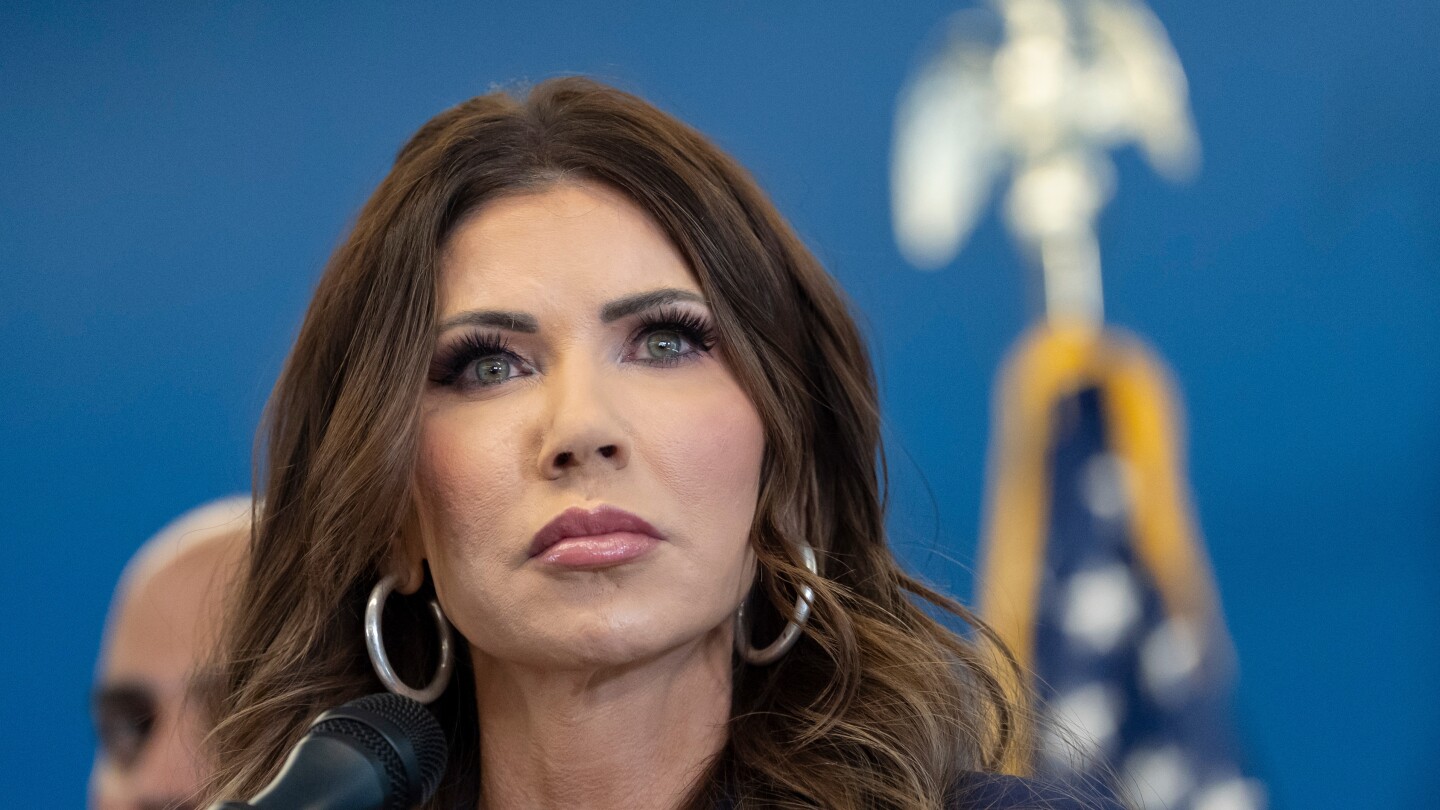
The government contends that the Homeland Security Secretary, Kristi Noem, possesses the authority to terminate any parole program and had provided adequate notification through the federal registry. The administration cites national security concerns and the need to redirect resources to other immigration programs as reasons for the program’s termination.
Government attorney Katie Rose Talley remarked, “Parole can be terminated at any time. That is what is being done. There is nothing unlawful about that.” Judge Talwani acknowledged the government’s right to end the program but criticized the method of its execution.
Judge Talwani challenged the sufficiency of merely announcing the program’s termination in the federal registry, demanding evidence of direct communication—such as letters or emails—to inform affected individuals.
She expressed understanding for the plaintiffs, saying, “I understand why plaintiffs feel like they came here and made all these plans and were going to be here for a very long time. I have a group of people who are trying to follow the law. I am saying to you that, we as Americans, the United States needs to.”
While lower courts have generally favored maintaining temporary protections for many groups, the Supreme Court in May allowed the Trump administration to remove temporary legal protections from hundreds of thousands of immigrants. This decision potentially increases the number of individuals vulnerable to deportation to nearly one million.
The Supreme Court’s ruling overturned a lower court’s order that had preserved humanitarian parole protections for over 500,000 migrants from four countries: Cuba, Haiti, Nicaragua, and Venezuela. This followed the court’s decision to let the administration revoke temporary legal status for approximately 350,000 Venezuelan migrants in a separate case. The Supreme Court did not provide an explanation for its brief order, as is standard practice for its emergency docket, though two justices dissented publicly.