Florida’s Redistricting Efforts: DeSantis Calls for Special Session
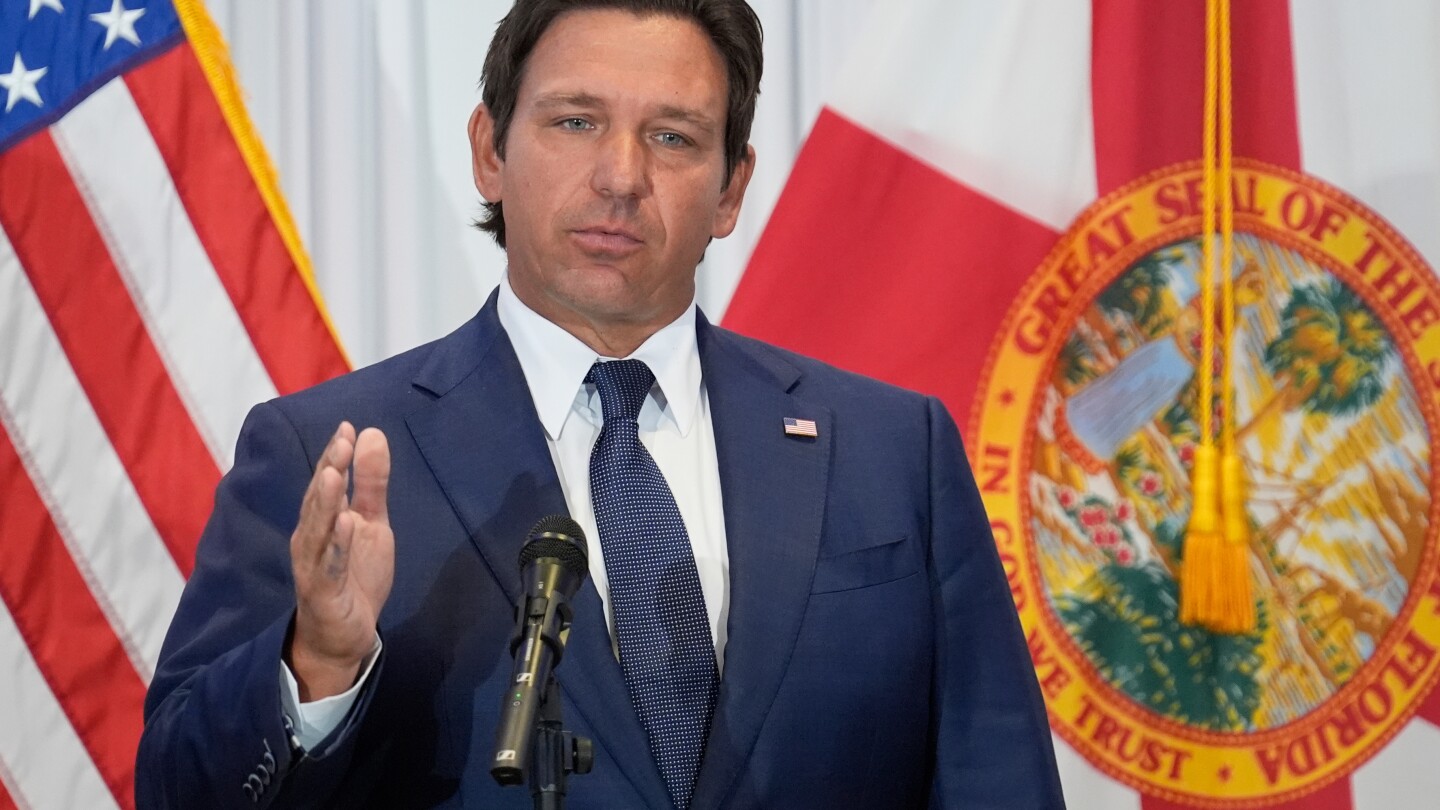
Florida Governor Ron DeSantis announced plans for a special legislative session in April to address congressional redistricting. This move aligns Florida with several other states involved in revising district maps mid-decade, a growing trend in the national political landscape.
Though the state’s legislative session begins next week, DeSantis expressed the need to wait for an impending U.S. Supreme Court decision regarding the Voting Rights Act. The decision in Louisiana v. Callais could impact Florida’s district boundaries, particularly affecting the application of Section 2, which prohibits discrimination in voting systems. “I don’t think it’s a question of if they’re going to rule. It’s a question of what the scope is going to be,” DeSantis stated at a news conference.
Currently, Republicans hold 20 of Florida’s 28 congressional seats. The potential reconfiguration of these districts could significantly influence the political landscape, particularly regarding former President Donald Trump’s efforts to reshape districts in Republican-led states. Such changes might bolster the GOP’s chances in upcoming elections, affecting control of the U.S. House.
The mid-decade redistricting battle has already resulted in potential gains for Republicans in states like Texas, Missouri, North Carolina, and Ohio, while Democrats see opportunities in California and Utah. However, ongoing legal challenges could affect the final outcomes.
In 2010, Florida voters approved a constitutional amendment to prevent gerrymandering, but the Florida Supreme Court upheld a contested map last year. Following this, a select committee was formed by Florida House Speaker Daniel Perez to review the state’s congressional map.
Opposition voices, such as Florida Senate Democratic Leader Lori Berman, criticize DeSantis’s actions as illegal under the Fair Districts Amendment. “Florida’s Fair Districts Amendment strictly prohibits any maps from being drawn for partisan reasons,” Berman stated, emphasizing the importance of respecting voters’ voices.
The Florida Democratic Party echoed these sentiments, calling the governor’s actions “reckless, partisan and opportunistic,” and suggested this was an attempt to manipulate the electoral system before the 2026 elections.
Political analyst Michael McDonald from the University of Florida commented on the situation, suggesting the existing Republican advantage in Florida may limit further gains. He speculated that DeSantis might be trying to strengthen existing Republican areas to mitigate potential losses in the midterms, noting, “Trump’s approval ratings are pretty low.”
For ongoing updates, follow Mike Schneider on Bluesky: @mikeysid.bsky.social