Former Colorado Elections Clerk Seeks Validation of Presidential Pardon
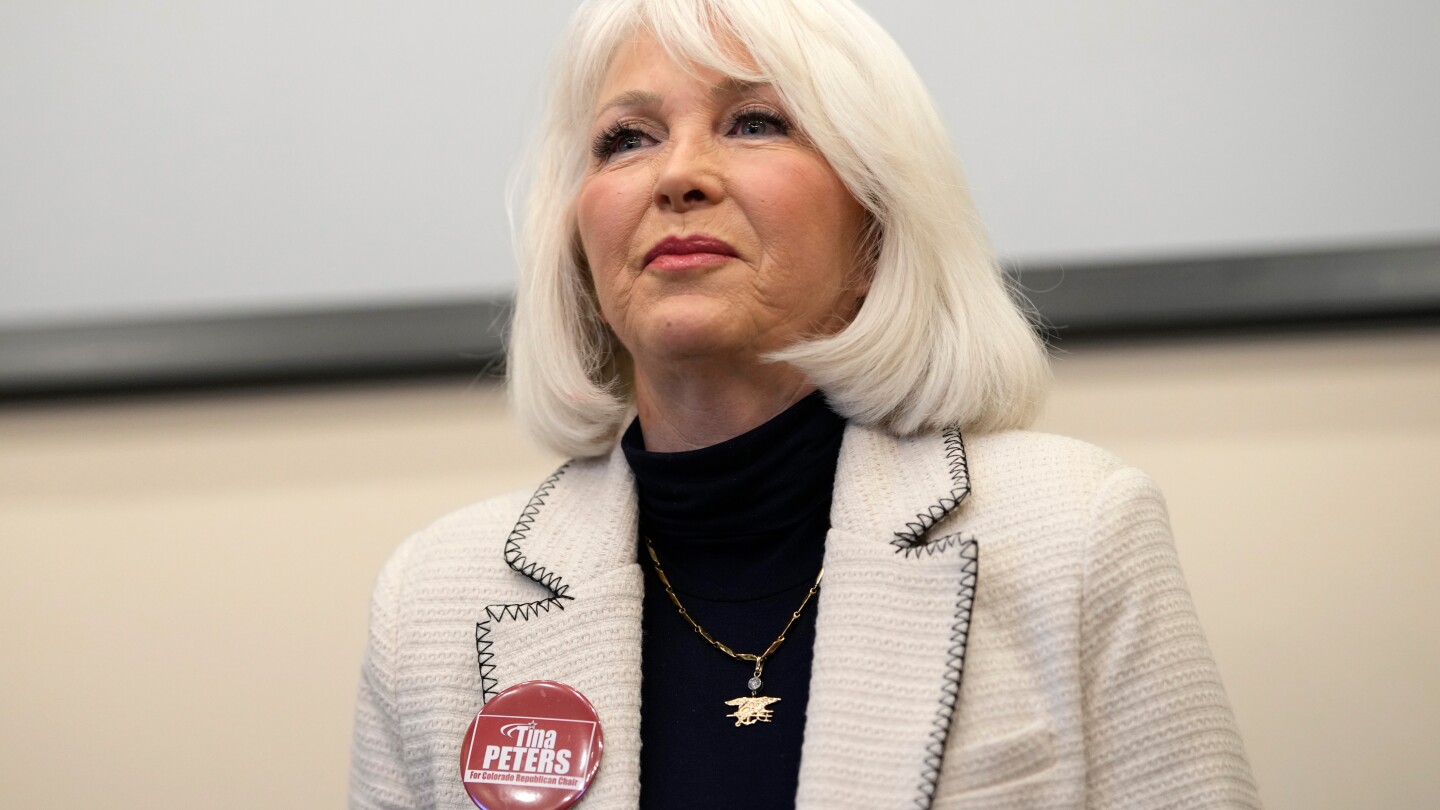
DENVER — Tina Peters, the former elections clerk from Mesa County, Colorado, has petitioned the state appeals court to acknowledge a pardon issued by President Donald Trump on December 5 as legitimate, in relation to her state convictions.
In a recent motion, Peters’ legal team contended that the Colorado appeals court should halt proceedings on her case due to the presidential pardon. They have also requested her release from prison based on this pardon.
Peters was found guilty of state offenses involving a data breach scheme linked to unfounded claims of voting machine fraud during the 2020 presidential election. It is crucial to note that a U.S. president’s pardon power does not extend to state convictions.
The legal team representing Peters referenced historical precedents, arguing that President George Washington had pardoned individuals for both state and federal crimes during the Whiskey Rebellion in 1795. They emphasized the need for a swift ruling from the state appeals court, which is scheduled to hear arguments on Peters’ conviction appeal on January 14.
In response, the appeals court has granted attorneys from the state attorney general’s office the opportunity to rebut Peters’ arguments by January 8.
Colorado Attorney General Phil Weiser’s office has opted not to comment on the case. Weiser previously dismissed the validity of Trump’s pardon shortly after it was announced on December 11.
In a statement, Weiser remarked, “The idea that a president could pardon someone tried and convicted in state court has no precedent in American law, would be an outrageous departure from what our constitution requires, and will not hold up.”
Should the court rule against the pardon’s validity, Peter Ticktin, one of Peters’ attorneys, has indicated that they might escalate the matter to the U.S. Supreme Court, while the state-level appeal continues.
Another attorney for Peters, John Case, requested her release from the state prison system based on the pardon, but the state declined, as indicated in an email included in the court documents.
Earlier in the month, Peters’ attempt to gain release from prison while her state appeal is underway was denied by a federal court. She contends that her sentencing judge, who handed her a nine-year prison term, violated her First Amendment rights by penalizing her for her election fraud claims.
During the sentencing in October 2024, Judge Matthew Barrett labeled Peters a “charlatan” and cited her as a community threat for disseminating falsehoods about voting and eroding democratic processes. Despite this, Peters remains adamant that her actions aimed to expose perceived fraud for the public good.
Peters’ conviction involves facilitating unauthorized access to election systems through the misuse of a security card and deception regarding the identity of a collaborator linked to MyPillow CEO Mike Lindell, a prominent advocate of the false narrative that voting machines were tampered with to alter the election outcome against Trump.