Supreme Court Denies Trump Administration’s Request to Deploy National Guard in Chicago for Immigration Enforcement
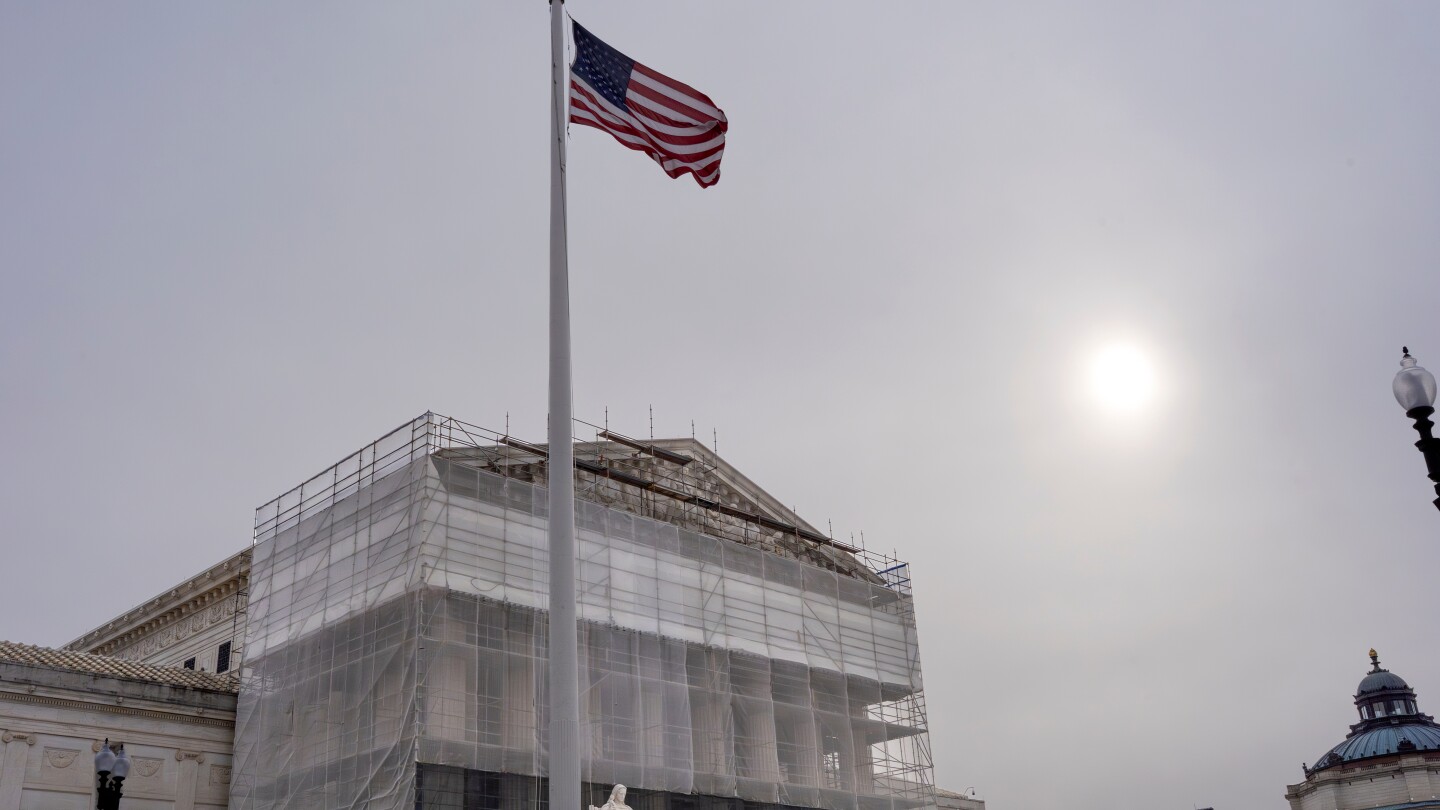
The United States Supreme Court has denied an emergency request from the Trump administration to deploy National Guard troops in the Chicago area, aimed at bolstering its efforts on immigration enforcement. This decision follows a ruling by U.S. District Judge April Perry, which initially blocked the deployment, and was subsequently upheld by an appeals court.
The Supreme Court’s refusal to intervene is not a definitive ruling but may influence other legal disputes related to President Donald Trump’s attempts to use military resources in Democratic-led cities. Notably, Justices Samuel Alito, Clarence Thomas, and Neil Gorsuch dissented from the decision.
This development marks an unusual setback for the Trump administration in the Supreme Court, where it has previously succeeded in several emergency appeals, including the ban on transgender individuals serving in the military and the reallocation of billions of federal dollars.
The administration had initially planned to send troops from Illinois and Texas, but the Texas National Guard members have since been withdrawn from Chicago. The administration argues that this measure is necessary to safeguard federal properties and personnel against violence during immigration law enforcement.
Judge Perry, however, noted a lack of substantial evidence indicating a potential “danger of rebellion” in Illinois, asserting that the protests had not hindered the administration’s immigration efforts. Her initial block on troop deployment was a temporary measure, which was extended indefinitely during the Supreme Court’s review.
The U.S. Immigration and Customs Enforcement facility in Broadview, a suburb of Chicago, has been a focal point for protests. Clashes at this location have seen federal agents using tear gas and other chemical agents, leading to injuries among protesters and journalists. Recently, 21 protesters were arrested, and four officers were injured at the site.
This case forms part of a broader legal struggle over National Guard deployments. In Washington D.C., Attorney General Brian Schwalb has initiated a lawsuit to prevent over 2,000 guardsmen from being deployed. The case has drawn filings from 45 states, with a near-even split between those supporting the administration and those backing Schwalb’s lawsuit.
Although the crime emergency declared by Trump in Washington D.C. concluded after a month, troops from several Republican-led states remain stationed there. Elsewhere, federal and state courts have blocked similar deployments in Oregon and Memphis, Tennessee, citing legal concerns and opposition from local officials.
In California, a judge ruled the deployment of troops in Los Angeles illegal, although a small number of troops remained by the time of the ruling. The Trump administration has since appealed the rulings in California and Oregon to the 9th U.S. Circuit Court of Appeals.