U.S. Expands Travel Ban to Additional Countries
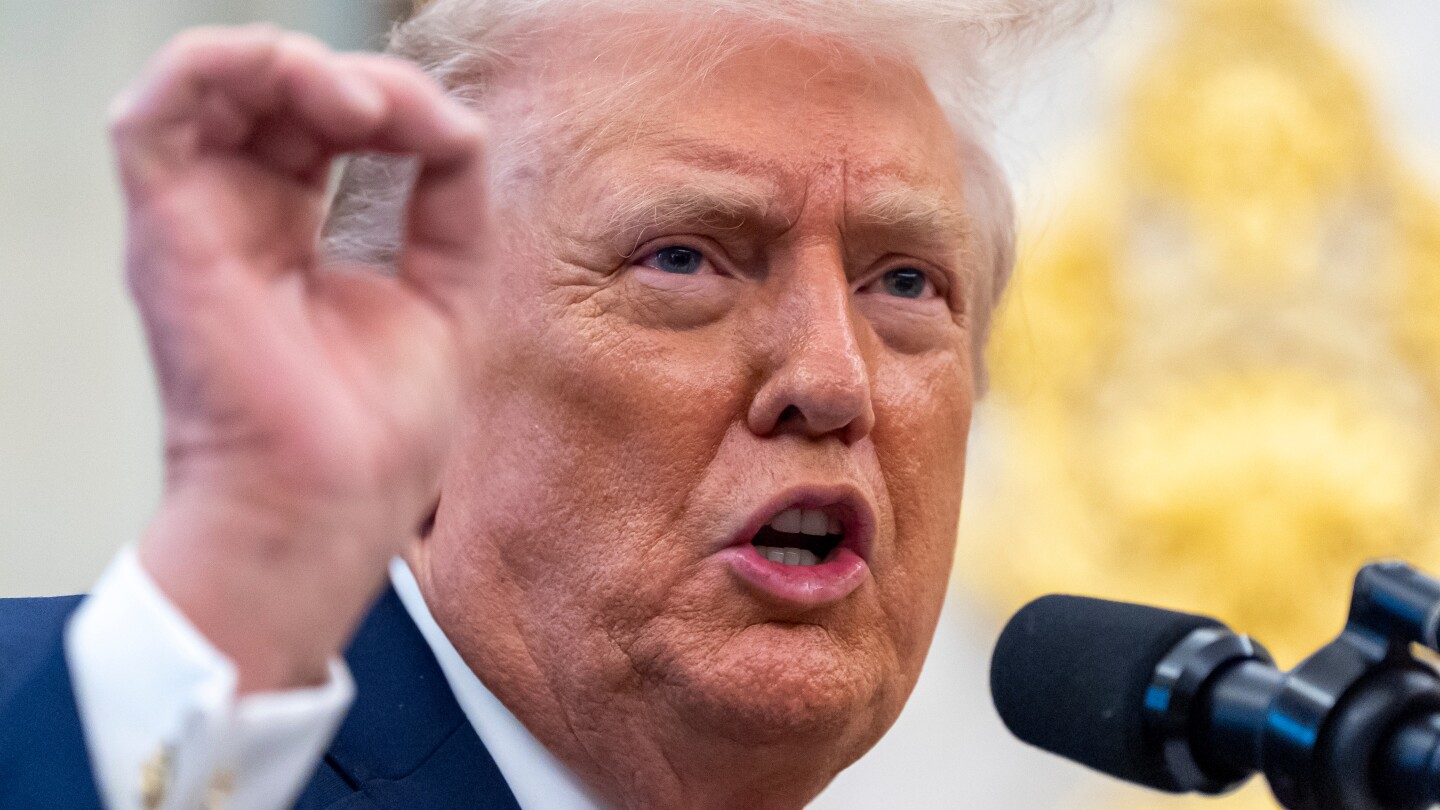
The Trump administration has broadened its travel restrictions to encompass an additional 20 countries, including Palestine, effectively doubling the number of nations impacted by the limitations put in place earlier this year. This decision, announced on Tuesday, introduces a full travel ban for citizens of five new countries and those with Palestinian Authority-issued documents, alongside new limitations on 15 other countries.
The newly added countries to the full travel ban include Burkina Faso, Mali, Niger, South Sudan, and Syria. Palestinian Authority-issued travel documents are also fully restricted. South Sudan was already facing significant travel limitations prior to this expansion.
Fifteen additional countries face partial travel restrictions, namely Angola, Antigua and Barbuda, Benin, Ivory Coast, Dominica, Gabon, Gambia, Malawi, Mauritania, Nigeria, Senegal, Tanzania, Tonga, Zambia, and Zimbabwe. These restrictions apply to individuals visiting or seeking to emigrate to the United States.
Exemptions from these restrictions include individuals who already possess visas, are U.S. lawful permanent residents, hold certain visa categories such as diplomats or athletes, or whose entry is deemed beneficial to the U.S. It remains unclear when the new limitations will be enforced.
Earlier in June, President Donald Trump announced a travel ban affecting citizens of 12 countries, with heightened restrictions for seven more nations. The countries initially affected included Afghanistan, Myanmar, Chad, the Republic of Congo, Equatorial Guinea, Eritrea, Haiti, Iran, Libya, Somalia, Sudan, and Yemen, while Burundi, Cuba, Laos, Sierra Leone, Togo, Turkmenistan, and Venezuela faced additional restrictions.
According to the administration, many of the countries now facing travel restrictions have issues such as widespread corruption, unreliable civil documentation, and high rates of visa overstays, making it difficult to properly vet travelers. The decision was also influenced by immigration enforcement, foreign policy, and national security considerations.
The announcement follows the arrest of an Afghan national suspected in the shooting of two National Guard troops over Thanksgiving weekend. The administration cited this incident as a reason for extending travel restrictions, including additional limitations on individuals from the initial 19 countries who are already in the U.S.
Critics argue that the expanded travel ban uses national security as a pretext to block people from diverse countries, with Laurie Ball Cooper, Vice President of U.S. Legal Programs at the International Refugee Assistance Project, stating, “This expanded ban is not about national security but instead is another shameful attempt to demonize people simply for where they are from.”
Additionally, the administration has modified restrictions for some countries. Laos and Sierra Leone, previously on the partially restricted list, now face upgraded restrictions, while Turkmenistan has seen an easing of its restrictions.
The new policy imposes stricter limitations on Palestinians, making it nearly impossible for individuals holding a Palestinian Authority passport to receive travel documents for business, work, pleasure, or educational purposes in the U.S. The administration justified this decision by citing the presence of “U.S.-designated terrorist groups” in the West Bank or Gaza Strip and the effect of recent conflicts on vetting and screening capabilities.