WASHINGTON (AP) — On Wednesday, the Federal Reserve implemented a quarter-point reduction in its primary interest rate, marking the third consecutive cut. This adjustment lowered the rate to approximately 3.6%, the lowest level in nearly three years. Despite the reduction, the Fed hinted at maintaining current rates for the foreseeable future. Lowering interest rates often results in decreased borrowing costs for mortgages, auto loans, and credit cards, though these can also be influenced by market dynamics. Learn more.
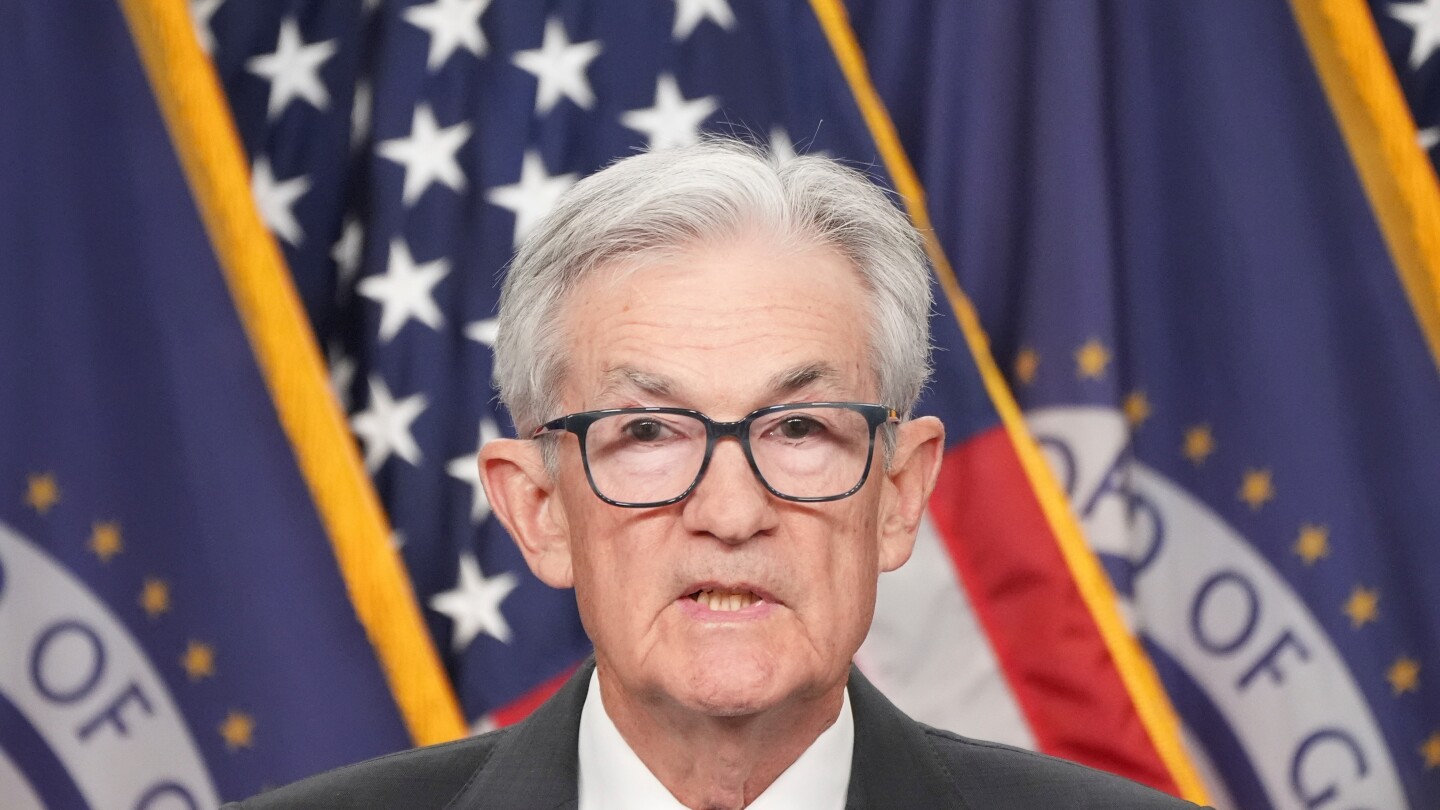
During a news conference, Chair Jerome Powell indicated that after six rate reductions over the past two years, the central bank is in a position to pause and observe economic trends in hiring and inflation. According to the Fed’s quarterly economic projections, officials anticipate just one more rate cut next year. Powell stated, “We will carefully evaluate the incoming data,” emphasizing that the Fed is “well positioned to wait to see how the economy evolves.”
Powell also noted that the Fed’s key rate is nearing a neutral level that neither restricts nor stimulates growth, contrasting with earlier this year when rates were high enough to slow the economy and curb inflation. With rates closer to neutral, the likelihood of further cuts has decreased. Economist Ryan Sweet from Oxford Economics commented, “We believe the labor market will have to noticeably weaken to warrant another rate cut soon.”
The decision faced dissent from three Fed officials, the highest level of disagreement in six years, highlighting a split in the typically consensus-driven committee. Presidents Jeffrey Schmid of the Kansas City Fed and Austan Goolsbee of the Chicago Fed voted to leave rates unchanged, while Stephen Miran, a Trump appointee, favored a more substantial half-point cut. The upcoming December meeting may see further divisions as officials remain divided over reducing rates to boost employment versus maintaining them to counteract inflation above the 2% target. More details here.
Powell highlighted the differing opinions within the Fed, stating, “What you see is some people feel we should stop here and we’re in the right place and should wait, and some people think we should cut more next year.” This division is evident in the range of rate cuts projected for 2026 by the 19 members of the Fed’s rate-setting committee, with a split between no cuts and multiple reductions. Out of these, only 12 members participate in voting on rate decisions.
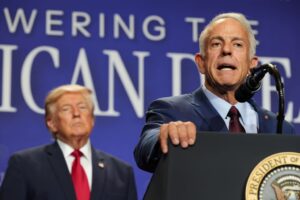
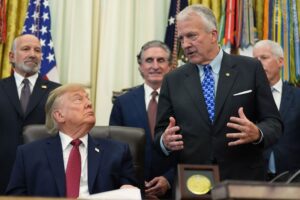
President Donald Trump criticized the recent rate cut as insufficient, advocating for a more significant reduction. Trump has expressed intentions to appoint a new Fed chair, potentially as soon as later this month, to succeed Powell when his term concludes in May. The new chair may pursue more aggressive rate cuts, a stance not widely supported by current officials. Read more.
The Fed’s announcement led to a rise in stock markets, with the S&P 500 index increasing by 0.7% and nearing its peak from October. This positive response partly stemmed from a less decisive stance by Powell on future rate cuts. Learn more about the market reaction.
Powell expressed optimism about next year’s economic growth, citing strong consumer spending and continued corporate investment in artificial intelligence infrastructure. He suggested that improving worker efficiency might drive faster growth without exacerbating inflation. Nonetheless, the Fed reduced borrowing costs due to concerns over a potentially weaker job market than current data suggests. According to Powell, while official figures show an average monthly job addition of 40,000 since April, this could be revised down by 60,000, indicating a net loss of 20,000 jobs monthly since spring.
Powell remarked, “It’s a labor market that seems to have significant downside risks. People care about that. That’s their jobs.” The Fed’s meeting occurred amid persistent high inflation, frustrating many Americans with increased prices for essentials like groceries, rent, and utilities. Consumer prices have surged 25% over five years since the COVID-19 pandemic. Powell acknowledged, “We hear loud and clear how people are experiencing really high costs,” attributing some to persistent inflation from previous years.
Inflation might rise early next year as businesses adjust prices to offset tariff costs, but Powell expects it to decrease afterward, though not without uncertainty. “We just came off an experience where inflation turned out to be much more persistent than anyone expected,” he said, referencing the spike in 2022. “Is that going to happen now? That’s the risk.”
As the Trump administration seeks a successor for Powell, potential candidates include Kevin Hassett, Trump’s top economic adviser, and Kevin Warsh, a former Fed governor. Trump emphasized his preference for a chair who would lower interest rates, stating, “Our rates should be the lowest rates in the world.”
A recent government report indicated that overall and core prices increased by 2.8% in September compared to the previous year, according to the Fed’s preferred measure. While this is lower than the peaks seen three years ago, it remains burdensome for households that have faced significant price hikes since 2020. Explore more on inflation.
Adding to the Fed’s challenges, job growth has significantly slowed this year, with the unemployment rate rising for three consecutive months to 4.4%, the highest in four years. Despite this, layoffs have been minimal in what economists describe as a “low hire, low fire” job market. Read more on employment trends.
The Fed aims to combat inflation by maintaining elevated rates, while reducing borrowing costs when unemployment worsens to encourage spending and hiring. With only three meetings left before Powell’s term ends, he expressed his aspiration to leave the economy in a strong state for his successor. “I really want to turn this job over to whoever replaces me with the economy in really good shape,” he stated. “I want inflation to be under control, coming back down to 2%, and I want the labor market to be strong.”