Critical Situation of the Rio Grande-Bravo Basin
The Rio Grande, known as Rio Bravo in Mexico, is one of North America’s longest rivers with a rich historical significance. Currently, the river’s water basin is facing a severe crisis, as highlighted by a recent study. This research suggests the Rio Grande’s challenges may exceed those of the Colorado River, which is also struggling with resource management.
A collaborative study by the World Wildlife Fund, Sustainable Waters, and university researchers has produced a comprehensive analysis of the Rio Grande-Bravo basin’s water consumption, losses, and replenishment. The findings indicate that without significant intervention, water security for millions relying on this binational basin is at risk.
Water Sustainability Concerns
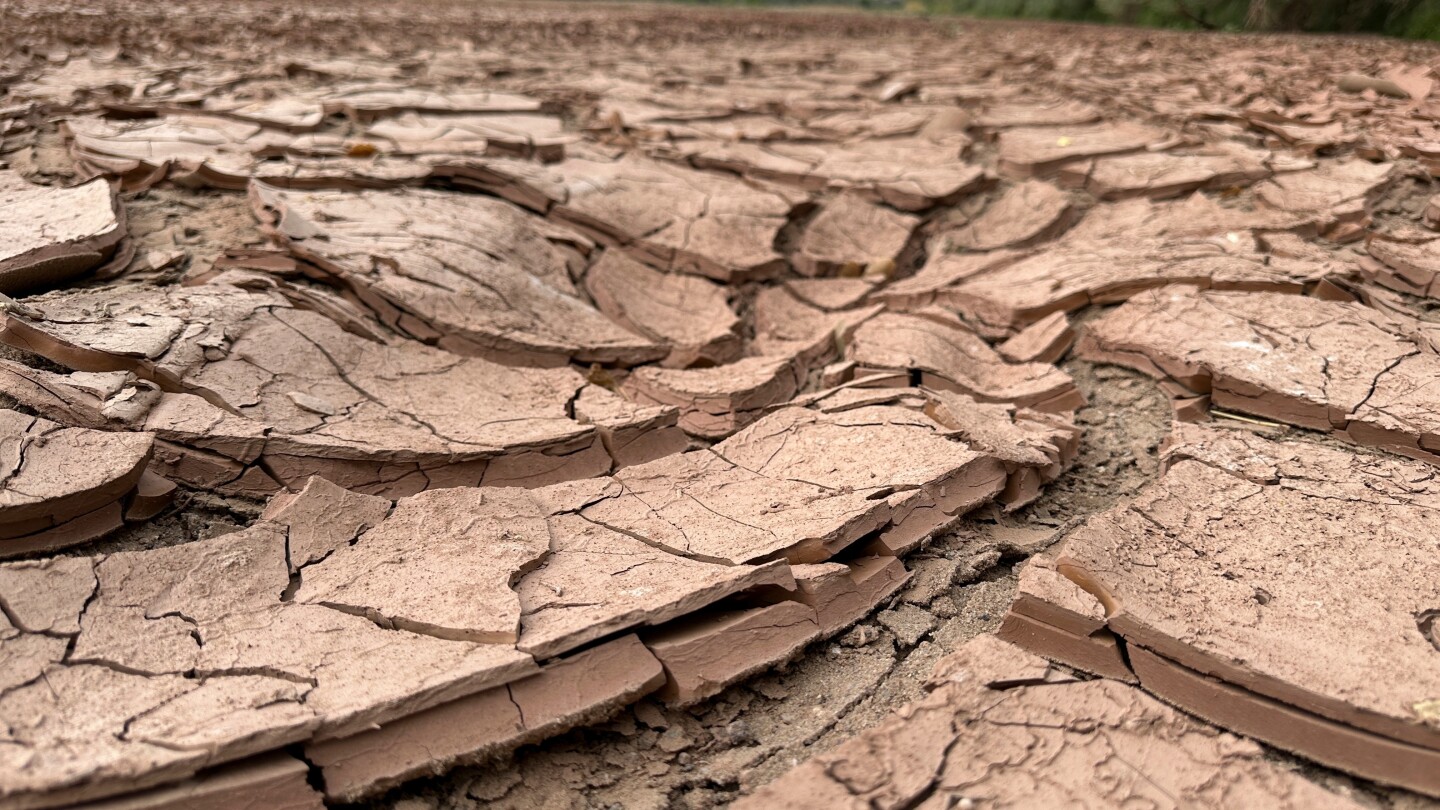
This water basin is crucial, providing drinking water to 15 million residents across the U.S. and Mexico, and irrigating approximately 2 million acres of farmland. However, the research reveals a troubling statistic: only 48% of the water used in the basin is naturally replenished. The rest, about 52%, is unsustainable, leading to an overdraw of reservoirs, aquifers, and the river itself.
Brian Richter, president of Sustainable Waters, emphasized the urgency of this issue, stating, “That’s a pretty daunting, challenging reality when half of our water isn’t necessarily going to be reliable for the future.” The study aims to help policymakers identify areas for reduction in water use and achieve a balance between supply and demand.
Historically, concerns about the river’s sustainability date back to the late 19th century. With irrigation activities in Colorado, parts of the river have been dry for extended periods, affecting regions as far south as El Paso, Texas. The study identifies irrigation as the largest consumer of water, with evaporation and vegetation uptake being significant contributors to overall consumption.
Agricultural Impacts
Farmers face increasing challenges as the irrigation season shortens, with canals drying up earlier in the year. Central New Mexico experienced some relief from summer rains, but areas in Texas and Mexico’s Rio Conchos basin did not receive surface water supplies.
Water shortages have led to a reduction in farmland, with significant losses reported between 2000 and 2019. The U.S. has seen a decrease in irrigation, while irrigation has increased on the Mexican side. Efforts are underway to address these issues, including collaborative work with the University of New Mexico to find solutions.
Jason Casuga, CEO of the Middle Rio Grande Conservancy District, noted the significant water loss in riparian areas due to invasive species like salt cedar trees. He advocates for addressing these ecological impacts, stating, “We’re willing to accept hundreds and hundreds of acres of invasive species choking out native species. And I’m hoping a study like this will cause people to think and ask those kinds of questions.”
Strategic Responses and Policy Considerations
Responses to the crisis vary across regions. In Colorado, water managers are considering shutting down groundwater wells if aquifers do not stabilize. New Mexico has a voluntary fallowing program but may face stricter regulations pending U.S. Supreme Court decisions related to settlements with Texas.
Both the U.S. and Mexico face challenges in meeting interstate and international water obligations. Enrique Prunes, a co-author of the study, emphasized the need for solutions that also consider environmental sustainability, stating, “Rebalancing the system also means maintaining those basic functions that the river and the aquifers and the groundwater-dependent ecosystems have.”