Local Governments’ Role in Shielding Immigrants and Protestors
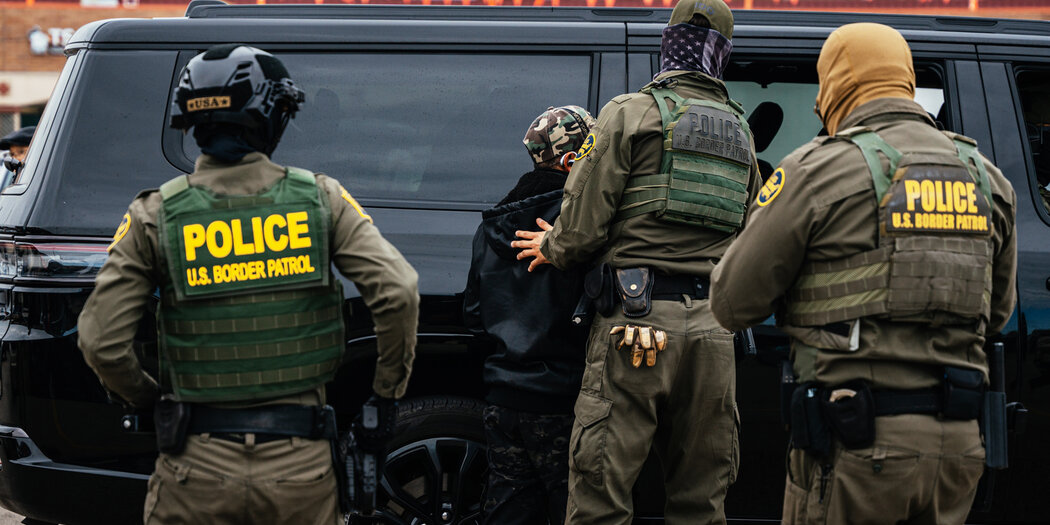
Across the United States, cities and states are stepping up efforts to protect immigrants and protestors from potential federal interventions. As tensions rise between local and federal authorities, the measures taken at the state and municipal levels have become increasingly significant.
Many local governments are enacting policies to limit their cooperation with federal immigration authorities. These measures are often termed “sanctuary policies,” aiming to create a safer environment for immigrants by restricting the sharing of information with federal agencies. The decision to adopt such policies varies widely, influenced by local political climates and community pressures.
Sanctuary Policies and Their Impacts
Sanctuary policies are designed to protect undocumented immigrants by reducing local law enforcement’s involvement in federal immigration enforcement. These policies can include prohibitions on using local resources for immigration enforcement and restrictions on detaining individuals based on immigration status alone.
Advocates of sanctuary policies argue that they foster trust between immigrant communities and local law enforcement, encouraging cooperation in reporting crimes and participating in community activities. Critics, however, claim these policies can impede the enforcement of federal immigration laws and potentially harbor individuals who may pose safety risks.
Legislative Measures and Legal Battles
Several states have taken legislative actions to formalize sanctuary policies. For instance, California’s Senate Bill 54, known as the “California Values Act,” restricts state and local law enforcement agencies from using resources for immigration enforcement purposes. Similar initiatives have been pursued in other states, reflecting a growing trend toward state-level resistance to federal immigration policies.
These legislative efforts often lead to legal challenges, with the federal government arguing that sanctuary policies violate federal law. Court rulings on such matters have varied, indicating a complex legal landscape that continues to evolve as new cases emerge.
Protecting Protestors
In addition to immigration issues, local governments have also taken steps to protect protestors’ rights. This includes ensuring the right to peaceful assembly and protecting protestors from excessive use of force by law enforcement. Measures such as designating specific areas for protests and implementing de-escalation training for police officers are being adopted to safeguard these rights.
While these efforts aim to balance public safety with the protection of civil liberties, they also face scrutiny and opposition. Critics argue that such measures may hinder law enforcement’s ability to maintain order during large-scale demonstrations.
As cities and states continue to navigate these complex issues, the tension between local autonomy and federal authority remains a pivotal aspect of the ongoing debate on immigration and protest rights in the United States.