Concerns Over Voting Safety and Federal Presence at Polling Stations
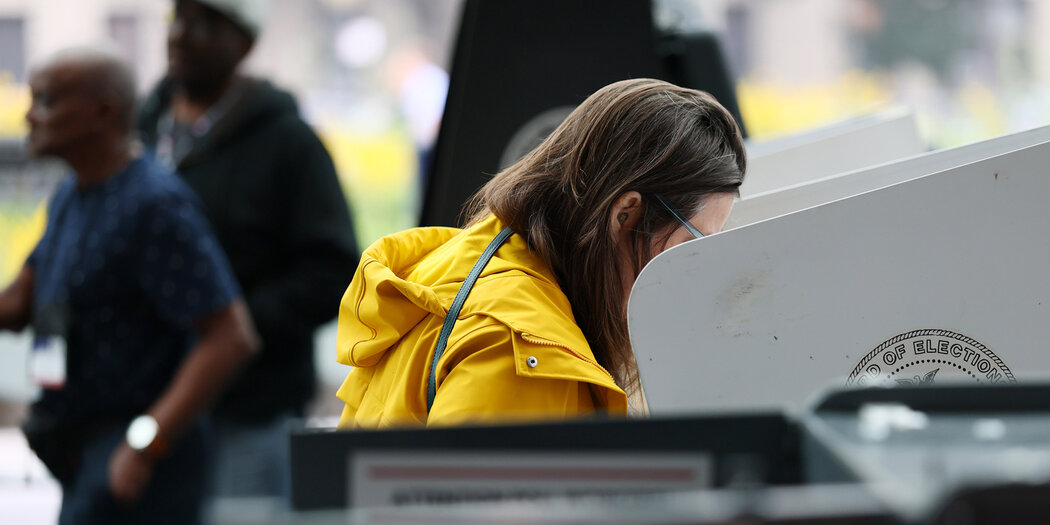
In recent discussions, the presence of military and federal agents at polling stations has been brought into question, raising concerns about voter intimidation. The debate centers around ensuring that American citizens can exercise their right to vote without fear or interference.
Ensuring a Secure Voting Environment
As elections approach, there is heightened scrutiny on the measures in place to protect voters. One of the primary issues is the potential intimidation that could arise from a visible federal presence at voting locations. Experts argue that such a presence could deter some individuals from participating in the electoral process.
Legal Framework and Voter Rights
The legal landscape surrounding the presence of law enforcement at polling stations is complex. Federal law prohibits the use of military forces at the polls, aiming to maintain a civilian-led voting environment. This legislation underscores the importance of keeping voting spaces free from any form of coercion or intimidation.
Public Confidence in the Electoral Process
Public confidence is a cornerstone of a functioning democracy. Any actions perceived as intimidating or coercive can undermine trust in the electoral system. Ensuring that elections are conducted in a manner that is both fair and perceived as fair is crucial for maintaining this confidence.
Experts Weigh In
Election experts emphasize the need for clear guidelines regarding the presence of any federal personnel at polling stations. “Americans should feel safe to vote free from intimidation by the presence of the military or federal agents,” they assert. This sentiment echoes the broader call for transparent and accessible voting processes.
As the nation prepares for upcoming elections, these discussions will continue to play a significant role in shaping how voting is conducted and perceived by the public. Ensuring a secure yet unobtrusive environment at the polls remains a priority for officials and voters alike.