Controversy Surrounds Trump’s Statements on Insurrection
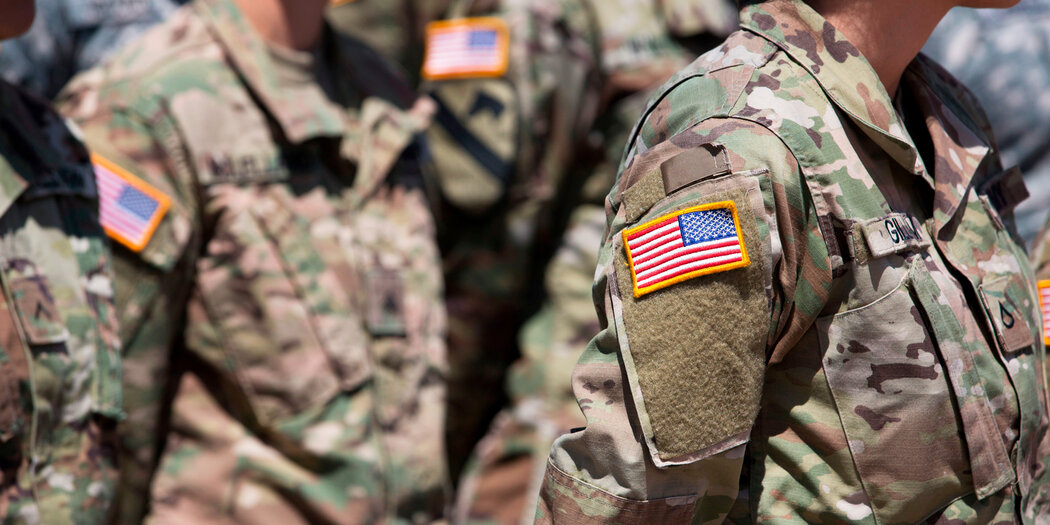
Amidst growing tensions over domestic military deployment in the U.S., President Trump has shifted his focus from Los Angeles to other cities like Portland and Chicago, using terms like “insurrection” to describe ongoing protests. On Sunday, Trump remarked that “Portland is burning to the ground. It’s insurrectionists all over the place.”
However, this statement has been met with criticism, given Trump’s own involvement in the January 6 Capitol riot intended to halt the certification of the 2020 election. Over the weekend, Judge Karin Immergut, who was appointed by Trump, blocked the deployment of the National Guard to Portland, emphasizing, “This is a nation of constitutional law, not martial law.” In retaliation, White House aide Stephen Miller accused Immergut of a “legal insurrection” through a post on social media platform X.
The use of the word “insurrection” to describe the protests in Portland has been criticized as hyperbolic, hinting at the potential invocation of the Insurrection Act. This legislation, last amended in the 1870s, grants U.S. presidents the authority to deploy military forces domestically during emergencies that threaten federal or state law. Historically, this act has been invoked sparingly, with only 30 instances over 230 years.
Despite the historical rarity of using such power, Trump recently made a pointed remark: “We have an Insurrection Act for a reason.” This raises questions about the shifting justifications for domestic military deployment, such as protecting federal law enforcement or enforcing immigration laws.
These debates echo concerns as old as the Constitution itself. James Madison, in Federalist No. 46, attempted to reassure the public of the balance between federal and state military power—a balance that remains contentious today.
The response to this situation has been vocal. Governors from California, Illinois, and Oregon have expressed their outrage. Advocates call for peaceful protests and emphasize the importance of judicial and congressional intervention. There are concerns that a failure to act could jeopardize the trust in the federal judiciary and endanger democracy.
In Congress, there have been bipartisan calls for reforming the Insurrection Act. Senator Richard Blumenthal (D-CT) has been leading efforts to narrow the criteria for military deployment, aligning with recommendations from the Brennan Center. Meanwhile, Senator Rand Paul (R-KY) has criticized domestic military actions as encroaching on roles typically reserved for civilian law enforcement.
Reflecting on the potential dangers of the Insurrection Act, Liza Goitein from the Brennan Center emphasized its risks, urging for reform regardless of the president in office.
As the U.S. approaches its 250th anniversary of independence, the principle that “In America, the law is king,” as stated by Thomas Paine, faces scrutiny amidst ongoing debates about the scope of presidential power.