Independent Justice System Questioned Amid High-Profile Indictment
The prosecutorial power, often described as immense, significantly influences the lives and freedoms of individuals under the criminal justice system. Key decisions such as who gets charged and the recommended sentences fall under prosecutors’ jurisdiction. It’s crucial that prosecution remains uninfluenced by political motives, focusing instead on facts and the law, ensuring that justice is served impartially.
New federal prosecutors studying the teachings of former Attorney General Robert Jackson are reminded of his profound insights from 1940, which still hold relevance:
[The prosecutor’s] discretion is tremendous. He can have citizens investigated and, if he is that kind of person, he can have this done to the tune of public statements and veiled or unveiled intimations. . . . The prosecutor can order arrests, present cases to the grand jury in secret session, and on the basis of his one-sided presentation of the facts, can cause the citizen to be indicted and held for trial. . . . While the prosecutor at his best is one of the most beneficent forces in our society, when he acts from malice or other base motives, he is one of the worst.
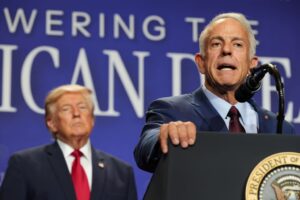
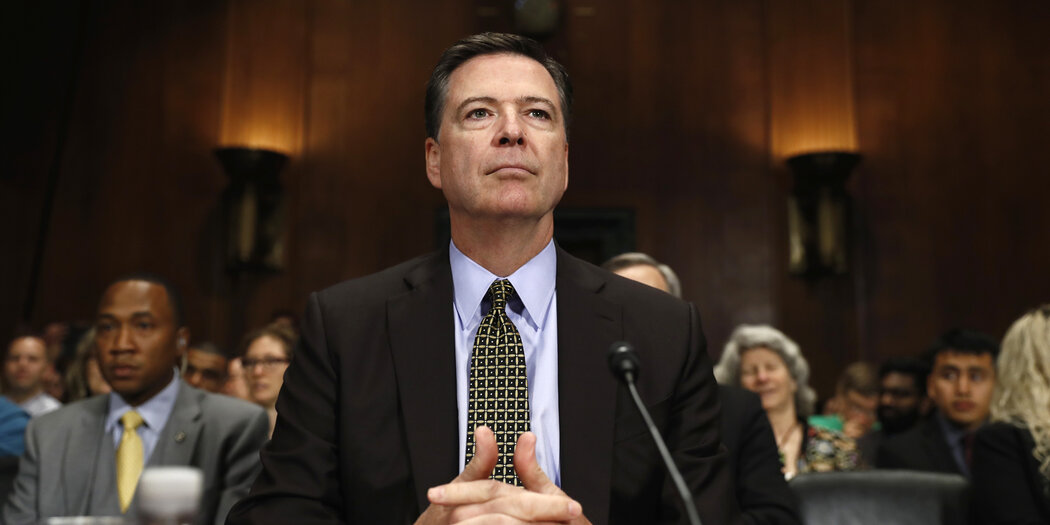
Recent events echo these sentiments, as the Justice Department brought charges against a notable political figure. Lindsey Halligan, a former lawyer for President Trump and newly appointed U.S. Attorney in Virginia, proceeded with the indictment of James Comey, the ex-FBI Director, on counts of lying to Congress and obstructing an investigation. This unfolded reportedly without accompaniment to the grand jury.
Previously, Trump’s appointed prosecutor, Erik Siebert, had declined the prosecution due to a lack of evidence, leading to Halligan’s appointment. Despite grand jury confidentiality, credible reports suggested internal disagreement within the office. Trump’s public communication, notably on Truth Social, signaled a level of involvement atypical for a president.
Instances of presidential interference with the Department of Justice (DOJ) date back to previous administrations, but this case marks a significant deviation from established practices aiming to prevent justice system corruption. The decision to replace Siebert with Halligan, despite her lack of prosecutorial experience, underscores the contentious nature of these proceedings.
The indictment process faced challenges, including the grand jury’s rejection of one count against Comey, indicating potential weaknesses in the government’s case. While indicting can be achieved relatively easily, securing a conviction poses a greater challenge.
Comey faces charges related to Senate testimony discrepancies, particularly concerning his 2020 reaffirmation of statements made in 2017 about not authorizing FBI personnel as anonymous sources. Due to statute limitations, prosecutors focused on the 2020 testimony. The lack of clarity in the indictment has led to speculation, with reports suggesting it involves Comey’s friend, Daniel Richman, and memos released post-firing.
The vague nature of the indictment leaves room for misinterpretation, challenging defense capabilities to identify specific allegations. Legal standards require clear indictments, potentially allowing defense to seek case dismissal or demand further details.
During Senate hearings, Comey reiterated his past testimony, but accusations of misleading statements remain. The prosecution’s task of proving corrupt intent behind Comey’s actions remains arduous, especially considering the political context of the questioning.
Prosecutors traditionally undergo rigorous review processes before presenting cases to a grand jury, a step seemingly absent here. The timing of Halligan’s appointment and the looming statute limitations further underscore the atypical handling of this case.
The indictment’s slim grand jury approval margin, with only 14 favorable votes, suggests prosecutorial challenges ahead. Standard practice often sees grand juries acting with greater consensus, and this lack may presage difficulties in trial proceedings.
The path to trial remains uncertain, though Comey’s stated desire for a trial could involve strategic legal decisions. His defense may argue selective or vindictive prosecution, although such claims are rarely successful.
Ultimately, the prosecution must meet the high standard of proving guilt beyond a reasonable doubt. The legal protections against retrial following a jury’s acquittal further emphasize the gravity of this burden. The Federal Principles of Prosecution emphasize the need for substantial evidence beyond mere indictment technicalities, a principle seemingly overlooked in this case.
Given Halligan’s inexperience and the potential political overtones of this indictment, questions about the process’s propriety and justice’s integrity persist, echoing Robert Jackson’s cautionary advice: “The citizen’s safety lies in the prosecutor who tempers zeal with human kindness, who seeks truth and not victims, who serves the law and not factional purposes.”