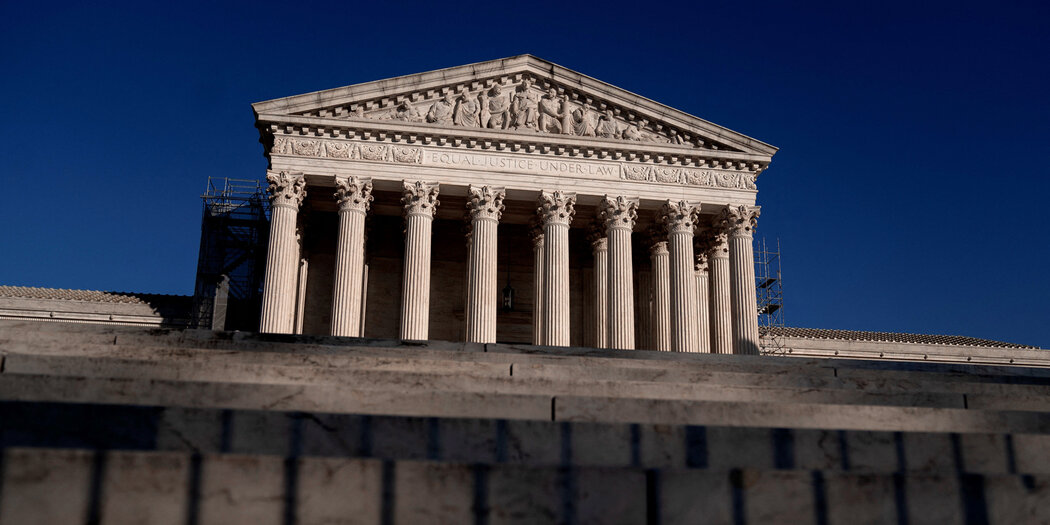
Supreme Court’s Role in Checks and Balances Under Scrutiny
As the justices prepare to deliberate on pivotal cases, concerns about the balance of power within the United States’ system of checks and balances have intensified. The structure, intended to prevent any one branch of government from gaining excessive power, hinges heavily on the judicial branch’s role in interpreting the Constitution.
Recent decisions by the Supreme Court have sparked debate over its influence on legislative and executive actions, raising questions about its impartiality and adherence to precedent. With significant rulings anticipated, the spotlight is on how these outcomes will impact the distribution of power among the branches of government.
Legal experts emphasize the importance of the Court’s independence, noting that its decisions can have far-reaching implications for public policy and individual rights. As such, the Court’s ability to maintain an unbiased stance is crucial in ensuring that the checks and balances system functions effectively.
Public confidence in the judiciary is a cornerstone of its authority, and any perception of imbalance or partiality can undermine its legitimacy. As the nation awaits the outcomes of upcoming cases, the discussion continues on how to preserve the integrity of the judicial branch while respecting its role in the broader governmental framework.
For more information on the Supreme Court’s upcoming cases and their potential impact, visit the official Supreme Court website.