Trump’s Remarks Spark Debate on Autism Causes
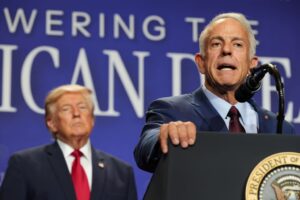
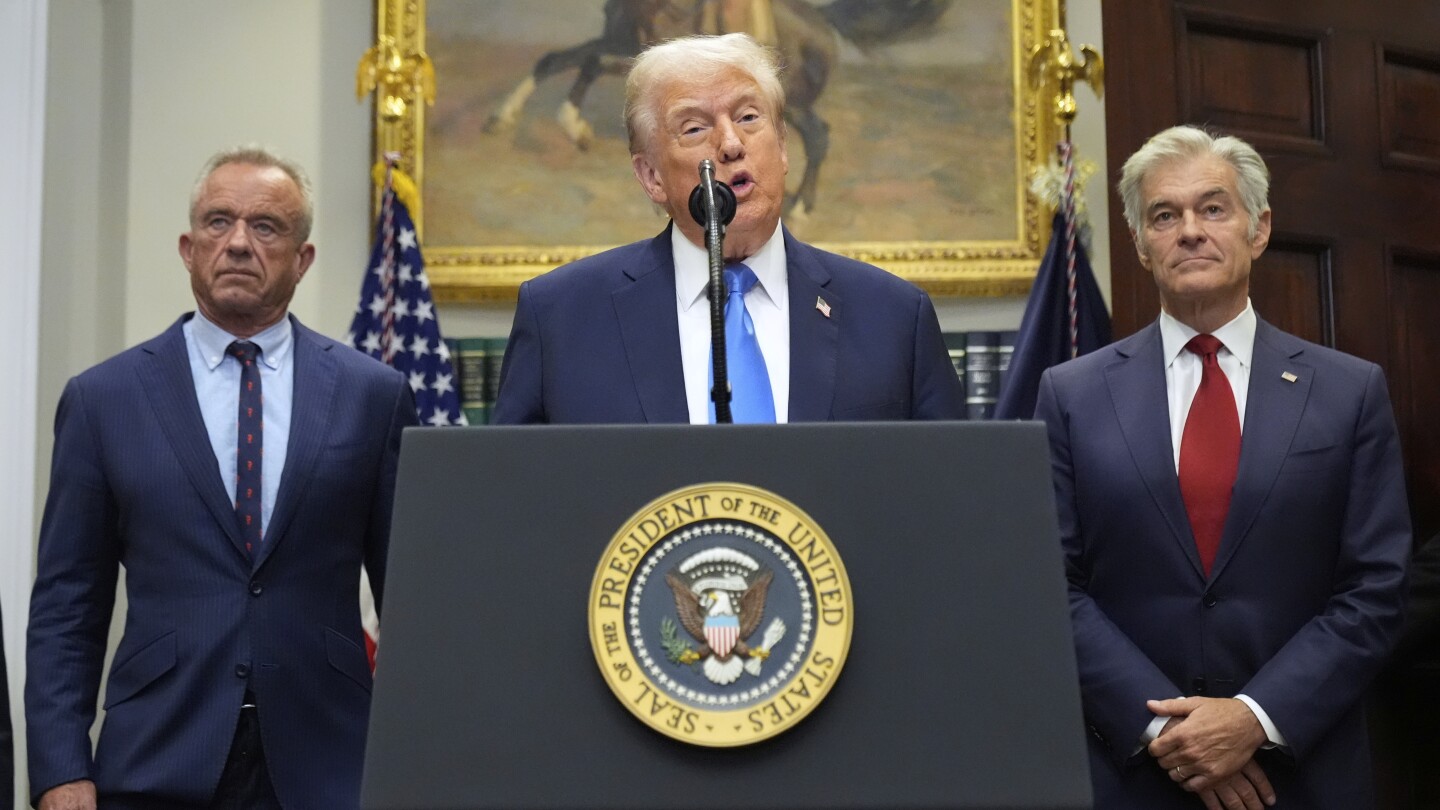
In a recent address from the White House, President Donald Trump advocated for a controversial viewpoint regarding the potential link between acetaminophen and autism, despite the lack of new supporting evidence. He suggested that pregnant women should avoid acetaminophen, commonly known as Tylenol, throughout their pregnancy. Trump mentioned that the Food and Drug Administration (FDA) would start advising doctors about a potential association between acetaminophen use and increased autism risk, though he did not provide medical evidence to substantiate these claims.
Furthermore, Trump voiced concerns about vaccinations’ possible role in the rising incidence of autism, a condition now affecting 1 in 31 U.S. children, as reported by the Centers for Disease Control and Prevention (CDC). In response, Health Secretary Robert F. Kennedy Jr. announced an “all-agency” initiative to explore autism’s causes, involving prominent health bodies such as the National Institutes of Health, the FDA, the CDC, and the Centers for Medicare and Medicaid Services.
Current scientific consensus attributes the increase in autism diagnoses to heightened awareness and the adoption of a broader diagnostic spectrum that includes milder autism expressions. Many experts assert that there is no singular cause for autism, emphasizing the importance of ongoing research into genetic and environmental contributors.
The Trump administration faces significant pressure from Kennedy’s Make America Healthy Again movement to identify the reasons behind the surge in autism cases across the country. The administration’s actions, influenced by Kennedy and his supporters, mark a significant shift in the public health discourse.
Amidst these developments, the CDC is experiencing internal friction due to Kennedy’s vaccine policies. A key immunization panel, which includes members critical of vaccines, recently revised its guidance on vaccinations for COVID-19 and other diseases.
President Trump had previously hinted at a major announcement regarding autism, stating, “I think we found an answer to autism.” However, experts caution that such declarations may oversell what can be achieved in a short timeframe. They stress the need for further research to definitively ascertain the role of environmental factors in autism.
For years, Kennedy has propagated discredited theories linking vaccines to the rise in autism cases. Nonetheless, the scientific community maintains that the observed increase is primarily due to improved recognition and a broader understanding of the autism spectrum.