Federal Intervention in D.C. Law Enforcement Sparks Controversy
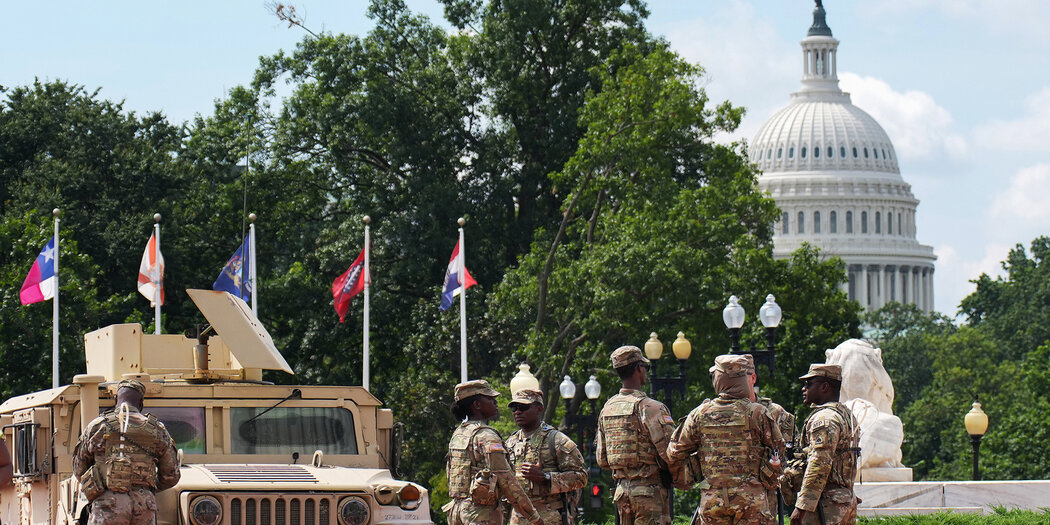
Recent federal actions in Washington, D.C. have drawn significant attention, with President Donald Trump and his administration implementing a series of measures to address what they describe as “out-of-control” violent crime in the city. These measures include deploying D.C. National Guard troops, invoking statutory emergency powers, and deploying federal law enforcement agents. However, these moves have raised legal concerns and sparked debates over their necessity and legality.
Deployment of National Guard Forces
The federal government has mobilized 800 D.C. National Guardsmen, with additional National Guard troops from cooperating states arriving in the city. This deployment has raised questions about potential violations of the Posse Comitatus Act, which traditionally restricts the use of the military in domestic law enforcement. While the president has the authority to command the D.C. National Guard, the use of these forces in policing roles has sparked concerns about the militarization of law enforcement.
Federal Law Enforcement Presence
Alongside the National Guard, over 500 federal agents, including those from the Department of Homeland Security and other federal agencies, have been deployed in Washington, D.C. These agents have established checkpoints and conducted joint patrols with local law enforcement, raising concerns about potential overreach and constitutional violations.
Legal Challenges and Concerns
The deployment of federal forces and the invocation of emergency powers have sparked debates over their legality. Critics argue that the measures exceed the authority granted by existing laws and regulations. The use of the Metropolitan Police Department for federal purposes, as allowed by the D.C. Home Rule Act, is also under scrutiny, as the criteria for such action may not have been met.
Nationwide Implications
President Trump has suggested that Washington, D.C. may serve as a testing ground for similar actions in other U.S. cities. However, legal limitations such as the Tenth Amendment, which reserves certain powers to the states, may prevent similar federal interventions outside of the capital. The potential for deploying National Guard forces in other states is further complicated by the requirement for state consent.
Homeland Security Task Forces and Oversight Issues
The increased presence of federal law enforcement, particularly from homeland security agencies, has raised concerns about oversight and accountability. Past deployments have been associated with aggressive tactics and surveillance, prompting calls for better oversight mechanisms to ensure the protection of civil rights and liberties.
Future Outlook
As the situation in Washington, D.C. continues to unfold, legal challenges and public debates are likely to shape the future of federal interventions in local law enforcement. The tension between federal authority and state sovereignty will remain a central issue as the administration considers expanding its strategies to other cities.