Congress Faces Pressure to Address the Surge in Gerrymandering Practices
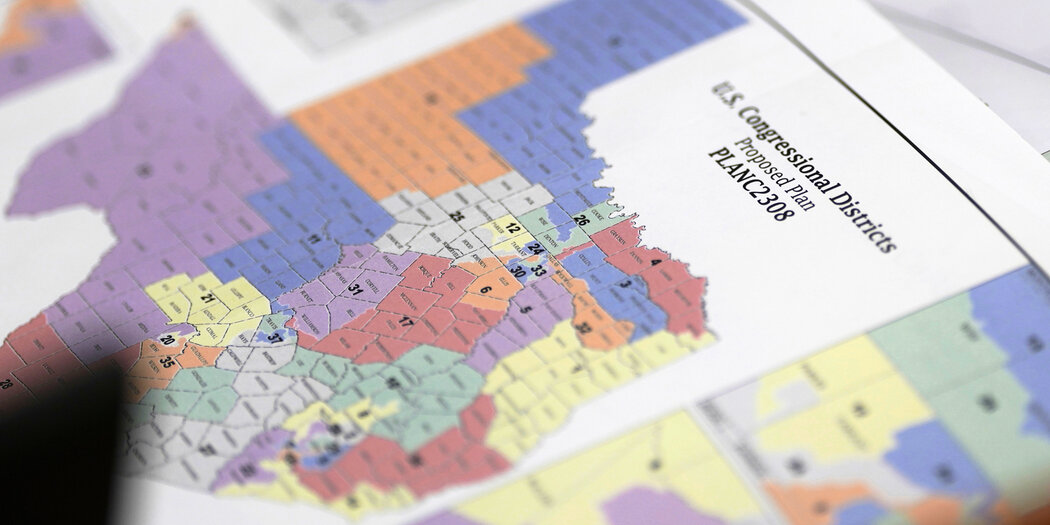
Gerrymandering, the manipulation of electoral district boundaries to favor a particular political party, is increasingly becoming a focal point of political debate. With recent redistricting efforts drawing considerable criticism, the need for legislative intervention by Congress has never been more pressing.
The Escalating Issue of Gerrymandering
Across the United States, gerrymandering has become a strategic tool used by both major political parties to cement power by redrawing district lines. These redistricting efforts often result in skewed electoral outcomes that do not accurately reflect the political will of the populace. The practice undermines democratic principles by enabling politicians to choose their voters rather than allowing voters to choose their representatives.
Impact on Electoral Fairness
The consequences of gerrymandering extend beyond party politics and influence the overall fairness of elections. Disproportionate representation can lead to policy decisions that do not align with the interests of the broader electorate, thus eroding public trust in governmental institutions. Critics argue that this manipulation distorts the concept of equal representation, a fundamental tenet of democratic governance.
Potential Solutions from Congress
Amidst growing public outcry, there is increasing pressure on Congress to enact measures that curb gerrymandering. Proposed solutions include the establishment of independent redistricting commissions aimed at ensuring more impartiality in the drawing of electoral maps. Such commissions have been implemented in several states with varying degrees of success, providing a potential model for nationwide adoption.
Another legislative proposal gaining traction is the implementation of standardized criteria for redistricting, which would prohibit the consideration of political affiliations in the drawing of district boundaries. By enforcing these guidelines, Congress could significantly reduce the influence of partisan interests in the redistricting process.
Challenges Ahead
Despite the proposed solutions, significant challenges remain in the quest to eliminate gerrymandering. Legal battles and partisan resistance pose substantial obstacles to reform efforts. However, with mounting evidence of the detrimental effects of gerrymandering on democracy, the call for actionable change continues to grow louder.
In conclusion, while the issue of gerrymandering presents complex challenges, it also offers an opportunity for Congress to reaffirm its commitment to fair and equitable representation. As discussions continue, the role of legislative action in addressing this pervasive problem remains a critical point of focus.