FTC Withdraws Racial Discrimination Claims Against North Texas Car Dealerships
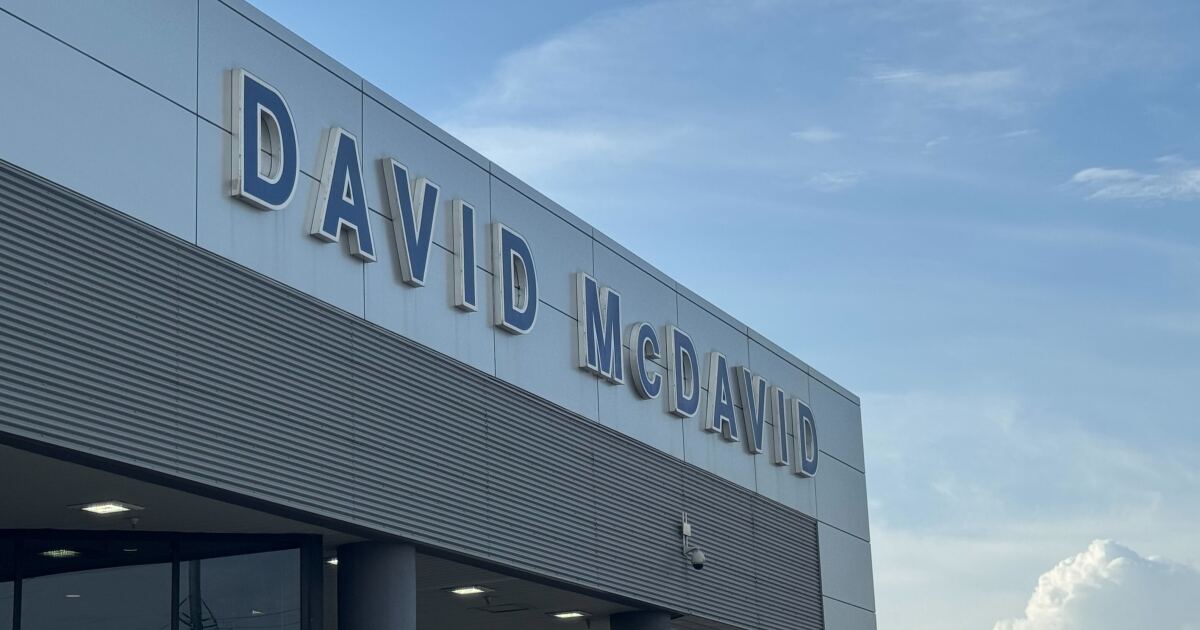
The U.S. Federal Trade Commission (FTC) has retracted racial discrimination allegations against three David McDavid car dealerships in North Texas, following a directive issued by the Trump administration. This action is detailed in court records submitted last month.
Despite the withdrawal of claims that accused the dealerships of unethical sales practices targeting Black and Latino customers, the businesses still face accusations of misrepresenting charges, including add-on fees and engaging in unfair practices.
An administrative law judge allowed the FTC to remove its fourth complaint, aligning with an executive order from the Trump Administration. This order, intended to reduce the application of disparate-impact claims by federal agencies, affects practices perceived as neutral but potentially discriminatory based on race, religion, or gender.
Historically, disparate impact has been a tool for demonstrating discrimination under the 1964 Civil Rights Act. However, its elimination was part of the contentious Project 2025, a publication by the conservative think tank, the Heritage Foundation.
According to Dustin Rynders, legal director for The Texas Civil Rights Project, the FTC’s decision is emblematic of a broader federal retreat from enforcing civil rights laws. “This isn’t just a legal technicality, it’s a test of whether we take structural inequality seriously in 2025,” Rynders stated. “We can’t address systemic discrimination if we refuse to even look at the system.”
The executive order, signed on April 23, maintains that it does not remove liability from federal law but directs agencies to deprioritize disparate impact enforcement actions, labeling it unlawful. The order claims it promotes meritocracy and a colorblind society, as opposed to race- or sex-based favoritism.
The directive states, “Disparate-impact liability all but requires individuals and businesses to consider race and engage in racial balancing to avoid potentially crippling legal liability. It not only undermines our national values, but also runs contrary to equal protection under the law and, therefore, violates our Constitution.”
Last August, the FTC filed an administrative complaint against Asbury Automotive Group, the owner of the McDavid dealerships, and general manager Ali Benli. The complaint alleged that customers were charged hidden fees for unwanted add-on products, and that Black and Latino customers paid significantly more for these add-ons compared to others.
FTC documents indicate that one dealership charged Black customers $298 more than white customers on average, and Latino customers $214 more. Neither Asbury Automotive Group nor the FTC has provided comments regarding the ongoing case.
Rynders noted that without federal agency support, individuals often lack the resources needed to pursue such rights. “The reality is the law’s still on the books, but it’s becoming a dead letter,” he said, “Not because the courts have rejected it, but because the executive branch isn’t doing its job to enforce it.”
The FTC’s allegations against David McDavid’s locations in Fort Worth, Frisco, and Irving include complaints about add-ons such as protective chemical coatings and service contracts bundled without customer consent. Some customers claimed they were charged for these add-ons despite explicitly declining them, while others stated they were not shown complete documents, only instructed where to sign.
The amended FTC filing incorporates complaints from unnamed customers and claims that Benli monitored public complaints and urged consumers to remove negative reviews.
The FTC issues administrative complaints to address suspected law violations deemed in the public interest. These claims undergo hearings before an administrative law judge, with the next session scheduled for December 19.
Following the FTC’s complaint, Asbury filed a lawsuit challenging the administrative process as “unconstitutional” due to the omission of customer names allegedly affected by the practices. Asbury contends that the complaint is “illegitimate,” arguing that the FTC is settling private rights matters through an administrative proceeding, infringing on the company’s right to a jury trial as the hearing would be non-jury.
The case remains ongoing.