U.S. Trade Agreements and Tariffs Set to Impact Economy
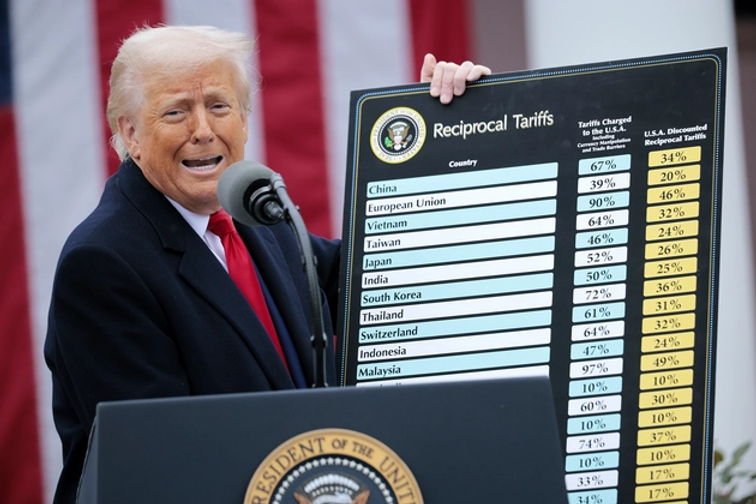
The White House is in a race against time to conclude several trade agreements before reciprocal tariffs take effect on Friday, Aug. 1. These tariffs are anticipated to exacerbate existing price pressures throughout the economy.
A Wave of New Tariffs
In the past week, the administration has announced a series of agreements that introduce new import taxes on various trade partners:
- South Korea: 15 percent tariff
- European Union: 15 percent tariff
- Japan, the Philippines, Indonesia, Vietnam: similar deals announced
- Brazil: 40 percent tariff scheduled to start in a week
- India: 25 percent tariff still under negotiation
- Canada, Mexico, China: talks continue against a hard U.S. deadline (China faces its own deadline of Aug. 12)
Without further extensions, businesses are bracing for immediate cost increases on a wide range of inputs and finished goods.
Rising Inflation Rates
Economic indicators show that inflation is already on the rise, even before the tariffs are fully implemented:
- Personal Consumption Expenditures (PCE) Price Index: increased to a 2.6 percent annual rate in June, up from 2.3 percent in May. Core PCE, excluding food and energy, rose to 2.8 percent.
- Consumer Price Index (CPI): followed suit, climbing to 2.7 percent year-over-year from 2.4 percent.
Economists attribute the acceleration primarily to tariffs, which are outweighing disinflationary forces like slowing wage growth and declining housing costs.
Impact on Consumers
Initially, companies absorbed part of the tariff costs, but experts warn that consumers will soon bear a greater share. Price hikes threaten household budgets just as wage growth slows:
- Employment Cost Index: increased by 0.9 percent last quarter, remaining stable compared to recent quarters.
- Private-sector wage gains: decelerated to a 3.5 percent annual rate in June, still aligned with the Federal Reserve’s 2 percent inflation target but now surpassed by headline price increases.
With rising costs, businesses are likely to maintain profit margins by increasing prices rather than cutting expenses, reducing real purchasing power.
Economic Growth Concerns
Trade fluctuations have already affected GDP figures for the first half of the year. Companies accelerated imports ahead of April tariffs and pulled back once they were enforced, causing a seesaw effect:
- Q1 GDP: experienced a 0.5 percent decline due to trade, resulting in a contraction.
- Q2 GDP: saw a 3 percent rebound as imports dropped sharply, concealing underlying weaknesses.
Without these fluctuations, final domestic demand grew just 1.2 percent, significantly below last year’s 2.5 percent pace. Leading forecasters now estimate 2025 growth at about 1.4 to 1.9 percent, citing escalating tariff risks as a key downside factor.
Political and Policy Challenges
Rising prices could further diminish presidential approval ratings, especially as inflation remains a significant concern for voters post-pandemic and after the strike wave of 2023. Meanwhile, the Federal Reserve faces a difficult policy decision: raise rates to control tariff-induced inflation, potentially slowing an already decelerating economy.
Impending Economic Effects
The upcoming wave of tariffs threatens to push inflation higher than the Federal Reserve’s target, reduce household purchasing power, and weaken economic momentum. With growth forecasts declining and consumer prices increasing, the reliance on broad-based import taxes appears to be a costly move for the U.S. economy and the households that will ultimately bear the costs.