Trump Administration Plans to Shift Student Loan Management to SBA
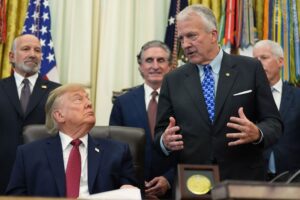
In a move that could significantly alter the landscape of federal student loan administration, President Donald Trump has announced plans to transfer the management of these loans from the Department of Education to the Small Business Administration (SBA). This decision marks a key step in the government’s broader strategy to modify how federal student loans and forgiveness programs are handled.
Immediate Changes and Potential Implications
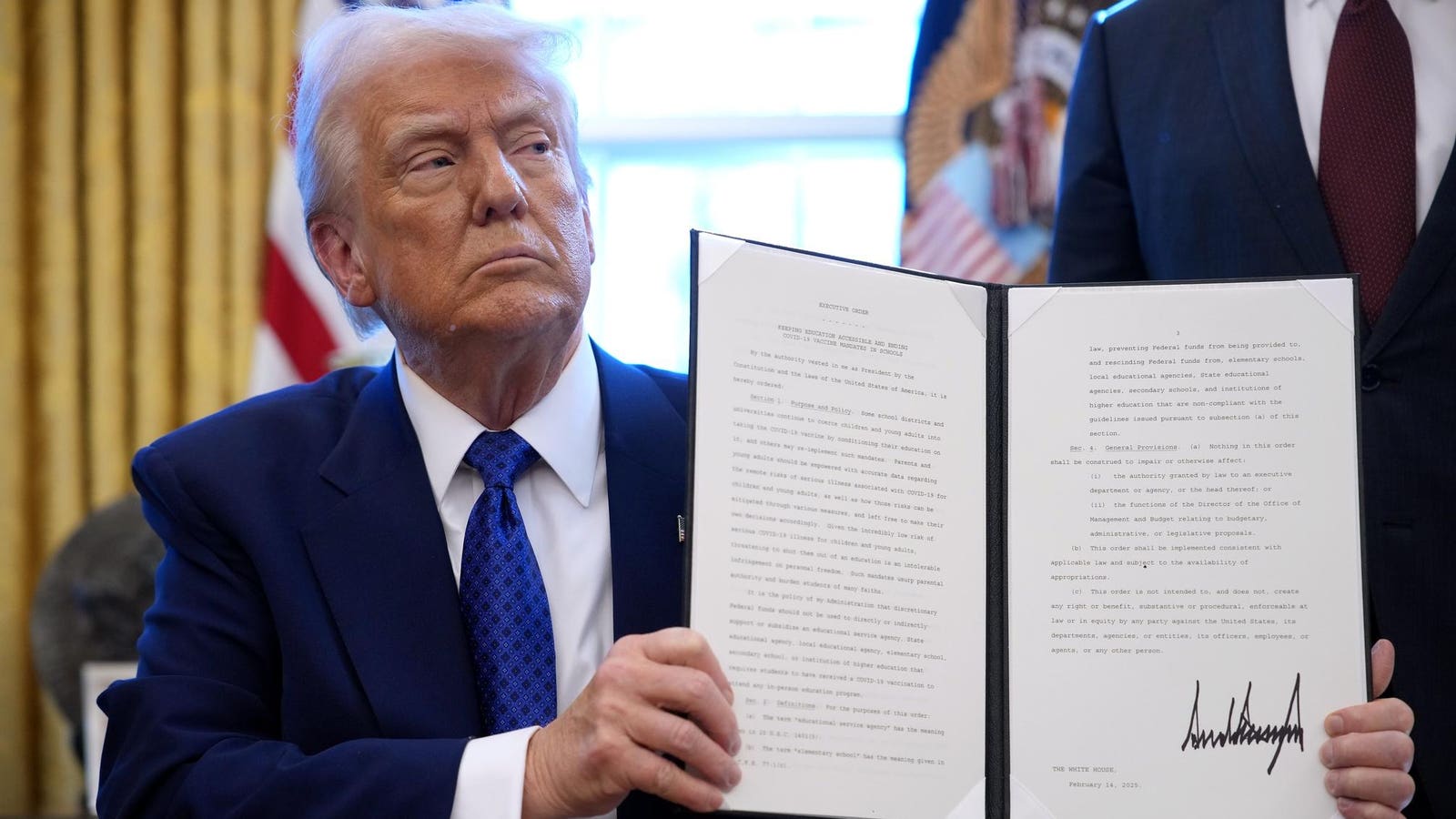
The Office of Student Aid is set to transition to the SBA immediately following the president’s recent executive order aimed at minimizing the Department of Education. Initially, federal loans and Pell Grants were to remain under the Education Department, but this shift suggests otherwise. Although borrowers’ loans will remain unaffected in terms of their terms and conditions, experts warn of possible processing delays and increased errors during the transition period. Borrowers are advised to maintain thorough records of their loans and payment histories.
Legal and Logistical Concerns
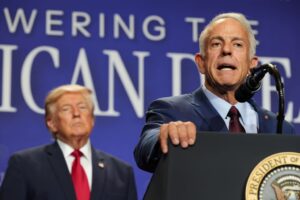
Despite the administration’s plans, legal experts and Congressional Democrats have expressed skepticism about the legality of transferring the student loan portfolio without Congressional approval. The uncertainty surrounding the transition has left staff at the Office of Student Aid feeling unprepared and blindsided. The SBA Administrator, Kelly Loeffler, has vowed to work with Congress and the administration to instill accountability in the student loan program, though specifics on this accountability remain vague.
Impact on Department of Education Workforce
The Department of Education is expected to undergo significant downsizing, with plans to cut around 50% of its workforce. This follows prior layoffs and buyouts at the Office of Student Aid. Former staff express concerns that these reductions could impair the agency’s ability to manage payments and defaults effectively, particularly as affordable payment plans phase out.
Public Service Loan Forgiveness Program in Limbo
President Trump’s recent executive order proposes changes to the Public Service Loan Forgiveness program, potentially excluding employees from organizations that oppose his policies. However, these changes require Congressional approval and have not yet impacted public servants currently benefiting from the program.
What About the SAVE Act?
The Saving on a Valuable Education (SAVE) Plan, which aimed to reduce monthly payments based on income, has been halted by a federal court and is unlikely to be revived by the Trump administration. Applications for other income-driven repayment plans have also been paused, with future plans expected to be less favorable for borrowers.
Student Loan Data and Privacy Concerns
Reports indicate that Elon Musk’s Department of Government Efficiency (DOGE) may have access to student loan data, sparking privacy concerns. A federal judge has temporarily blocked DOGE’s access to certain data, but the full extent of access remains unclear. Claims that data mishandling could lead to loan forgiveness have no legal basis under FERPA.
Project 2025 and Future Implications
While President Trump has distanced himself from Project 2025, his actions align with its recommendations, such as transferring the Office of Student Aid to the Treasury Department. The project suggests creating a government corporation to manage the federal student loan portfolio, emphasizing borrowers’ responsibility to repay loans without forgiveness options.
Key Background
Student debt relief has been a contentious issue, with Democrats advocating for forgiveness and Republicans opposing it. The Biden administration’s broad forgiveness plan was struck down by the Supreme Court, leading to more targeted relief efforts for specific borrower groups. As the Trump administration makes changes, the future of student loan management remains uncertain.