Trump’s Stance on Student Protests
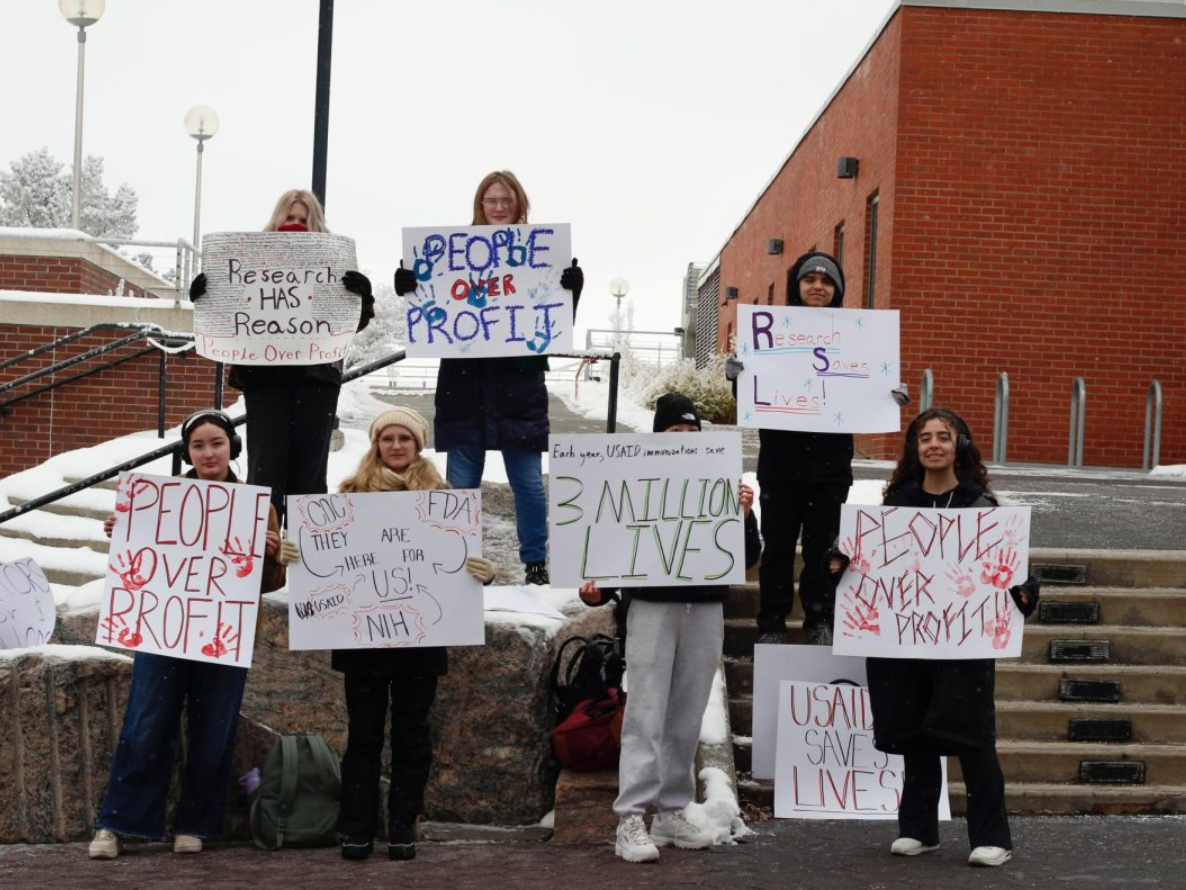
In a controversial move, former President Donald Trump has proposed severe measures against American students participating in demonstrations he categorizes as “illegal protests.” This comes amidst ongoing debates about the boundaries of free speech and the role of educational institutions in fostering open dialogue.
Potential Consequences for Schools
Trump has suggested that educational institutions permitting such protests should face financial repercussions. He stated, “all federal funding will STOP” for schools or universities that allow demonstrations he considers illegal. This statement has sparked discussions about the implications for universities reliant on federal support.
Support and Opposition
While Trump maintains that he supports protests aligned with his views, he has expressed a stark opposition to those that challenge his stance. This duality has been a point of contention among political analysts and educators, who argue that it may undermine the principles of free expression on campuses.
Implications for Students
The threat of expulsion or arrest for participating in such protests has raised concerns among student bodies and civil rights organizations. Critics argue that these measures could discourage students from engaging in civil discourse and activism, which are seen as integral to the educational experience.
Broader Impact on Free Speech
This development adds to the broader conversation about the limits of free speech in the United States, particularly in educational settings. The debate continues as stakeholders from various sectors weigh in on the potential impact of Trump’s proposals on democratic engagement and civil liberties.