Musk’s Department of Government Efficiency Faces Scrutiny
Elon Musk’s Department of Government Efficiency (DOGE) has been vocal about its mission to eliminate fraud and waste within government operations. However, critics argue that Musk and DOGE are leveraging these claims to target specific government agencies that they and the far-right oppose. The influence of the controversial Project 2025 on these actions is evident, with little proof of significant savings for American taxpayers.
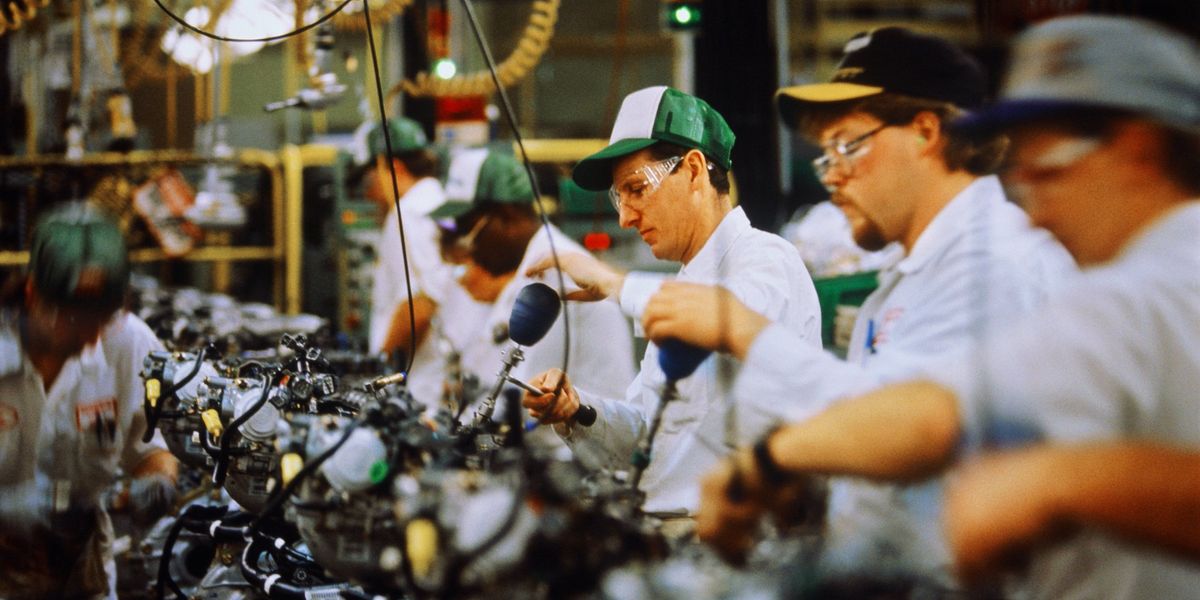
While the spotlight has often been on DOGE’s actions against the Department of Education and the U.S. Agency for International Development (USAID), less attention has been paid to their focus on the Department of Labor (DOL). This department, alongside agencies like the National Labor Relations Board (NLRB), is crucial in upholding workers’ rights and ensuring fair labor practices. DOGE’s actions are reportedly impacting these agencies’ operational, data-collecting, and enforcement abilities.
Impact on Labor Agencies
Project 2025’s thirty-seven-page labor chapter suggests several measures to weaken federal labor bodies and labor unions. President Donald Trump, through Musk, has been reported to be applying these recommendations. The familiar pattern of administrative disruption seen in other agencies is now evident in the Department of Labor. Thousands of DOL employees have been placed on leave, operations are impaired, and key websites have been removed.
The NLRB, responsible for overseeing employee-employer relations, has seen significant changes with President Trump dismissing NLRB Chair Gwynne Wilcox and General Counsel Jennifer Abruzzo. Although the dismissal of the general counsel was anticipated as part of administrative transitions, the removal of a board member with a fixed term is unprecedented. With the NLRB lacking the quorum needed to operate, Wilcox is suing the administration for exceeding its authority.
Amazon, citing the NLRB’s current dysfunction, has challenged a union election at its subsidiary, Whole Foods, where employees voted to unionize. Whole Foods argues that without a quorum, the NLRB cannot certify election results. This situation presents opportunities for other businesses, including Musk’s SpaceX, to challenge labor regulations. SpaceX is contesting the constitutionality of the NLRB itself, potentially leading to its dissolution.
Further Undermining of Labor Rules
The Office of Federal Contract Compliance Programs (OFCCP) is another target, tasked with ensuring federal contractors comply with nondiscrimination laws. President Trump’s directive to the OFCCP to halt enforcement of these laws has led to significant staff reductions. Concerns arise as companies like Meta, Google, and Amazon, facing compliance evaluations, were major contributors to Trump’s inauguration fund.
Project 2025 also seeks to roll back labor protections established during the Biden administration. Proposed changes include reducing overtime eligibility, lessening protections for workers in extreme conditions, and undermining the ability to collectively bargain. There is also a move to end the defense of a rule on independent contractor status, complicating the classification of workers as employees.
Data Targeting and Broader Implications
DOGE’s approach extends to targeting labor-related databases, which contain sensitive information, including whistleblower data. Agencies like OSHA and the Bureau of Labor Statistics, which provide vital economic data, are among those affected. A union coalition has initiated legal action to prevent DOGE’s access to these systems.
Elon Musk’s involvement in these labor policy changes raises questions of conflict of interest, given his companies’ substantial government contracts and history of labor disputes. The Department of Labor has several open investigations into Tesla and SpaceX, with past findings of safety violations and anti-union practices.
The alignment of DOGE’s actions with Project 2025’s directives marks a significant shift in labor policy, drawing concern from labor advocates about potential rollbacks of long-standing worker protections.