Trump Administration Challenges Historic Supreme Court Ruling
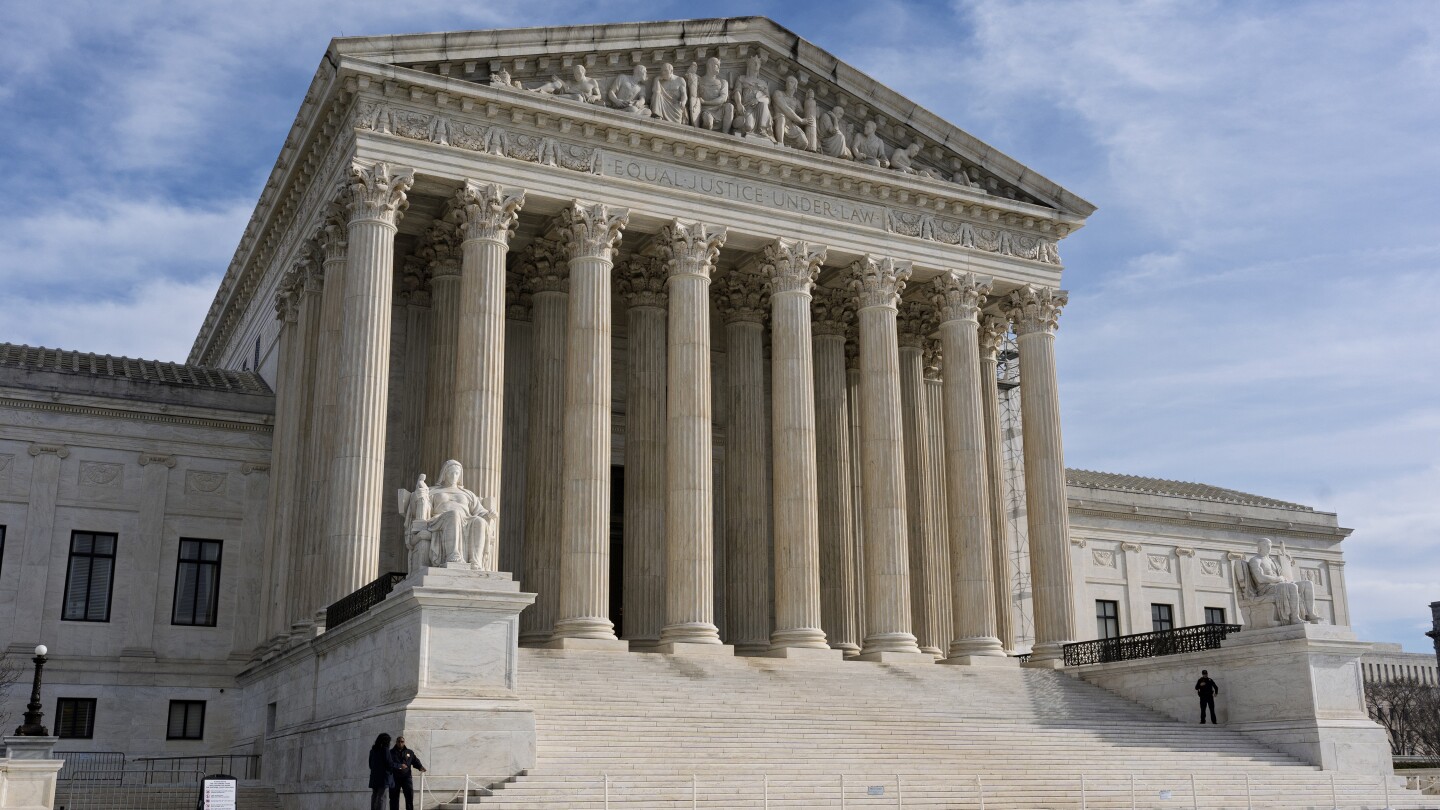
The Trump administration, in its second term, is setting the stage for a significant legal battle aimed at overturning the 1935 Supreme Court decision known as Humphrey’s Executor. This ruling, pivotal in shaping the modern U.S. government, established the framework for independent federal agencies.
The Humphrey’s Executor decision has been instrumental in the creation of influential independent agencies tasked with regulating various aspects such as labor relations and employment discrimination. It set a precedent that presidents cannot dismiss leaders of these agencies without just cause. However, this has been a point of contention for conservative legal theorists who argue for expansive presidential powers as outlined in the Constitution.
The current Supreme Court, featuring a conservative majority with three justices appointed by Trump, has occasionally supported these views.
Historical Context: The Case of William Humphrey
William Humphrey, a Republican congressman from Washington state, was appointed to the Federal Trade Commission by Presidents Calvin Coolidge and Herbert Hoover. In 1933, President Franklin D. Roosevelt attempted to replace him, but Humphrey refused to resign. Roosevelt subsequently dismissed him, despite legal restrictions on such actions.
Following Humphrey’s death, his estate’s executor sued for back pay, leading to a Supreme Court ruling that favored the independence of the FTC and deemed Roosevelt’s action improper.
Ongoing Debate on Federal Agency Independence
The core question remains whether federal agencies can operate independently from the executive branch. According to NYU law professor Noah Rosenblum, the 1935 Supreme Court decisively favored agency independence during an era of rising authoritarianism globally.
However, some legal experts, like Catholic University’s Chad Squitieri, argue that the notion of independent agencies contradicts the Constitution’s Article 2, which grants the president broad executive powers.
Recent Legal Developments
In recent years, the Supreme Court under Chief Justice John Roberts has scrutinized laws restricting presidential removal powers. A 2020 decision allowed Trump to dismiss the head of the Consumer Financial Protection Bureau, highlighting skepticism towards constraints similar to those established in Humphrey’s case.
The court is currently considering an emergency appeal regarding Trump’s attempt to fire the head of the Office of Special Counsel, Hampton Dellinger.
Trump’s Broader Objectives
Trump’s administration has sparked legal challenges, such as the lawsuit by Gwynne Wilcox, a recently dismissed National Labor Relations Board member. Her case could potentially challenge the relevance of Humphrey’s Executor.
Justice Department official Sarah Harris communicated to Sen. Dick Durbin that protections for members of independent commissions are deemed unconstitutional by the current administration.
Brianne Gorod of the Constitutional Accountability Center warns that overturning Humphrey’s Executor could affect numerous agencies, including those safeguarding workers and consumer product safety.
Implications for the Federal Reserve
While the administration has refrained from directly addressing the Federal Reserve’s independence, any decision impacting Humphrey’s Executor might also affect it. Chad Squitieri suggests that presidential oversight of the Fed could be manageable, given the president’s existing responsibilities.
However, Alan Morrison from George Washington University raises concerns about potential political influence over the Fed’s decisions if presidents appoint loyalists.