North Carolina Supreme Court Election Dispute Continues
RALEIGH, N.C. — Voter Copland Rudolph, like many others in North Carolina, participated in the November elections, but remains uncertain whether her vote will be counted in a closely contested state Supreme Court race. The Republican candidate, Jefferson Griffin, is contesting the results, despite two recounts affirming Democratic Associate Justice Allison Riggs as the winner. As legal proceedings continue, Riggs maintains her position on the court.
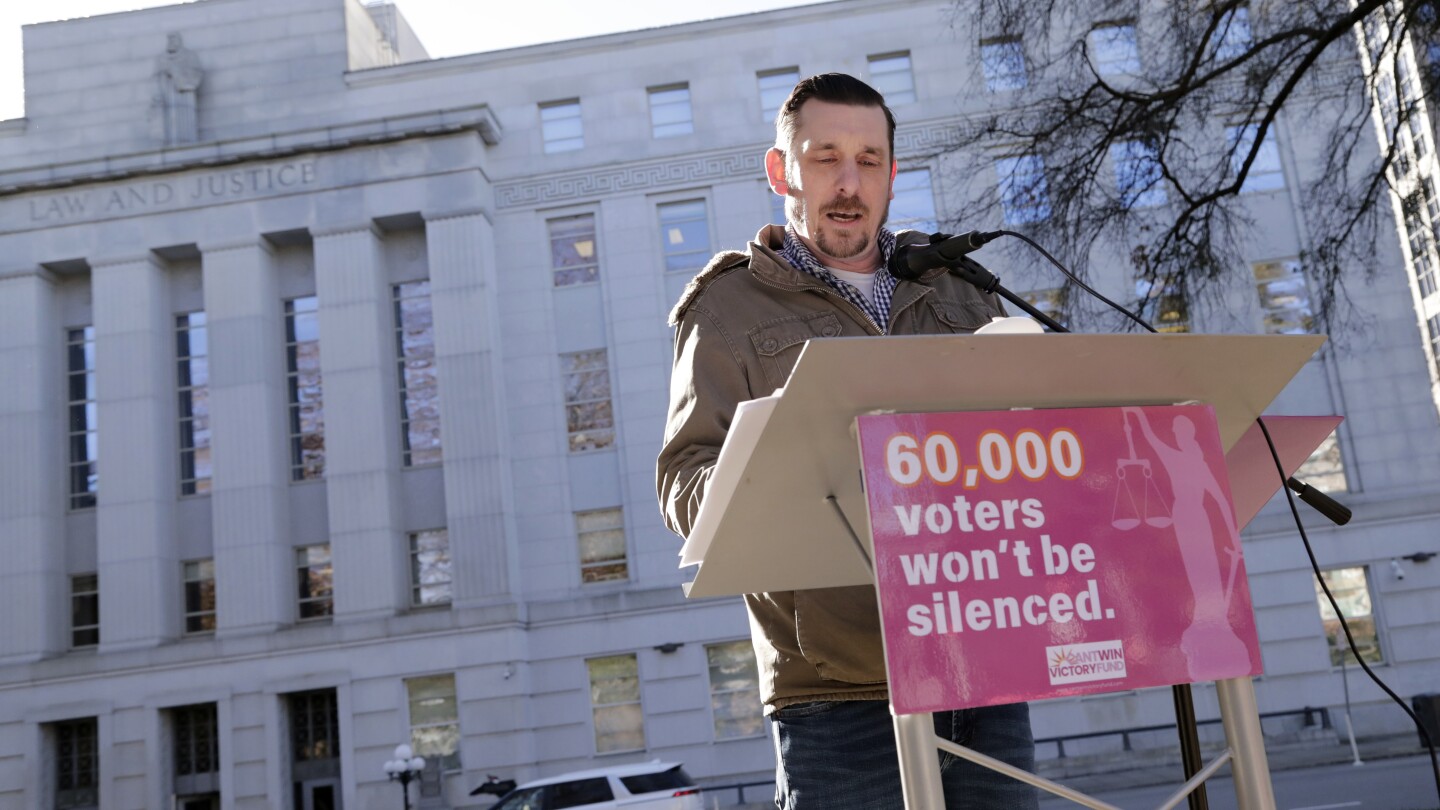
Griffin’s legal challenge seeks to invalidate approximately 66,000 ballots, a move his lawyers suggest could secure him the seat and potentially extend the conservative majority in the court to 5-2. Rudolph, a voter whose ballot is under scrutiny, expressed frustration, urging Griffin to “Stop the games and concede the race,” emphasizing that the counted and recounted votes have confirmed the results.
Allegations of Undermining Democratic Processes
Critics, including Democrats and voting rights advocates, argue that Griffin’s actions, backed by the state GOP, threaten democratic principles. They contend that the ballots in question decided other major races in the state, and Griffin’s refusal to accept the election outcome undermines voter intent. Former North Carolina Democratic Governor Roy Cooper remarked, “The eyes of the entire country are on this race because the implications of having free and fair elections that are being questioned and potentially overturned are devastating.”
While the dispute is being addressed in both state and federal courts, the North Carolina Supreme Court recently declined Griffin’s request to expedite a decision about the ballots. The case is set to be considered by the 4th U.S. Circuit Court of Appeals to determine jurisdiction over the matter.
Legal Strategy and Voter Rights Concerns
Currently, Riggs leads Griffin by a narrow margin of 734 votes out of over 5.5 million cast. Griffin’s refusal to concede is seen by some as an attempt to disenfranchise voters post-election. Despite numerous pre-election lawsuits by Republicans, which hinted at potential postelection challenges, no evidence has been presented to suggest the ineligibility of these voters.
Griffin’s focus has shifted to 5,500 ballots from voters overseas, who allegedly failed to provide photo identification. However, legal representatives for Riggs and the state elections board clarified that many of these voters are military personnel, exempt from such ID requirements under state and federal law.
Implications for Voter Confidence and Participation
The ongoing legal battle, alongside a legislative move by Republicans to curtail gubernatorial powers, has raised concerns about electoral integrity in North Carolina. Advocacy groups continue to rally support for Riggs, emphasizing the importance of every vote. The controversy has sparked public demonstrations and critical media campaigns against Griffin’s challenges.
Voter Dawn Baldwin Gibson, whose ballot is also being contested, shares the sentiment, recalling her grandfather’s words that “voting fundamentally made you American.” She remains perplexed by the challenge to her vote, as election officials offer no clear explanation.