U.S. Housing Costs and Potential Policies Under Trump’s Second Term
As housing expenses continue to consume a significant portion of Americans’ incomes, attention is now focused on how President-elect Donald Trump might address these costs. Voters have shown strong interest in economic issues, particularly housing, following the recent election.
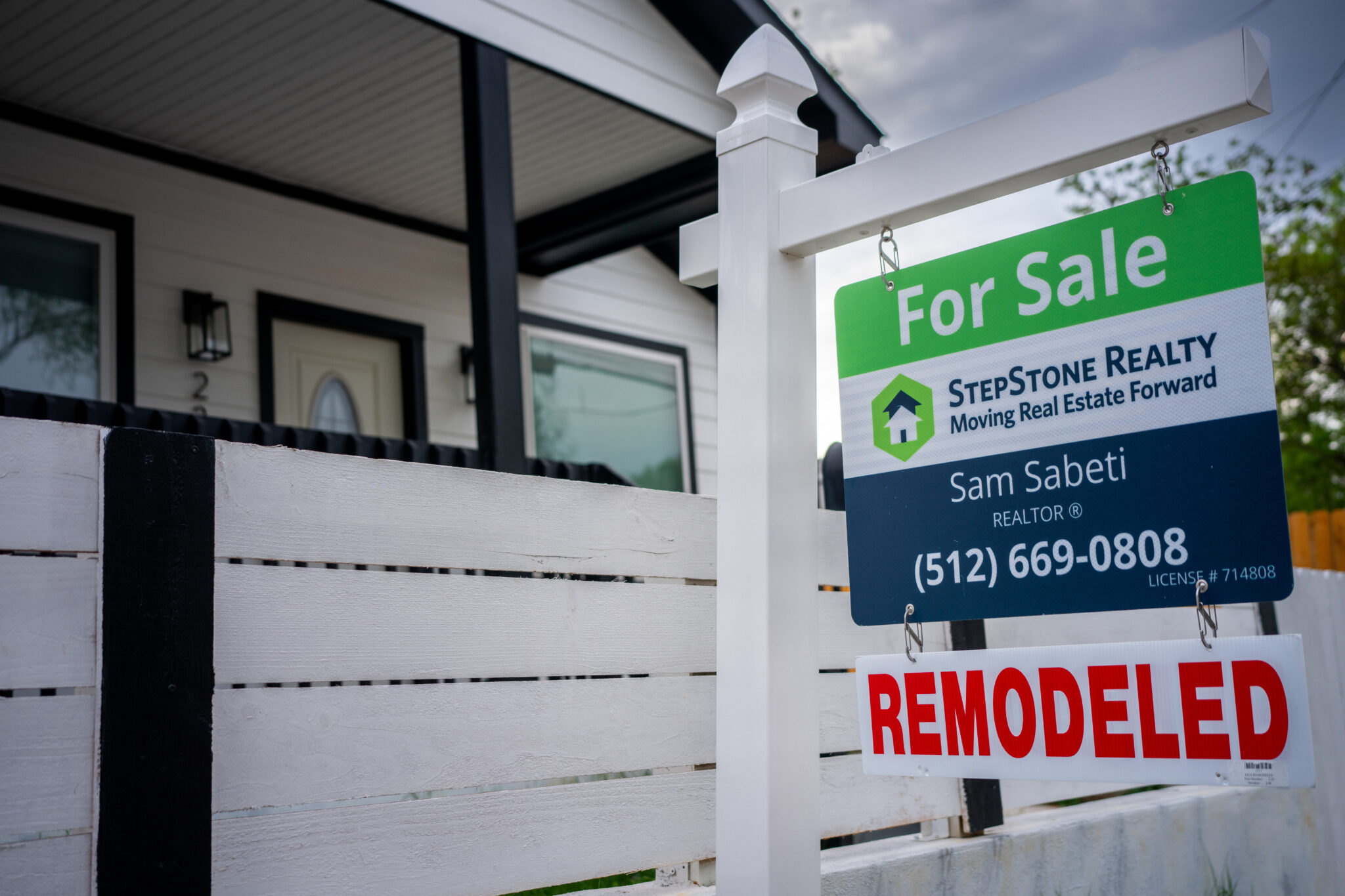
According to the Bureau of Labor Statistics, housing made up 32.9% of consumer spending in 2023, marking it as the largest expenditure category. This represents a 4.7% increase from the previous year.
The challenge of securing affordable housing remains a significant issue for many Americans, whether they are renting or buying. However, it is uncertain how Trump’s campaign promises will translate into policy, even with a Republican-controlled government.
Experts are examining Trump’s past actions and statements on housing, alongside the Heritage Foundation’s Project 2025, to anticipate possible policy directions.
Impact of Tariffs on Housing Construction Costs
Trump’s proposed tariffs, including a 60% tariff on Chinese goods, are intended to boost U.S. manufacturing. However, such tariffs could hinder the construction of affordable housing, according to economists.
Selma Hepp, chief economist at CoreLogic, expressed concerns about rising material costs due to tariffs. “One of the biggest concerns is not just lumber [costs], but the overall cost of materials, which have been going up,” she noted.
Since February 2020, construction material prices have increased by 38.8%, as reported by the Associated Builders and Contractors’ analysis of the October Producer Price Index.
Kurt Paulsen, a professor at the University of Wisconsin-Madison, highlighted existing high costs linked to tariffs on Canadian lumber, first imposed by Trump and maintained by the Biden administration.
Immigration Policies and Their Effect on Construction Labor
Trump’s plan to declare a national emergency for mass deportation, confirmed in a recent tweet, could influence labor costs in the housing sector.
Hepp pointed out the potential impact on labor availability: “A large share of labor in the construction industry obviously comes from immigrants. That is a huge issue for new construction and particularly new construction as it relates to affordable housing.”
In 2023, foreign-born workers constituted 3 million of the 11.9 million employed in the construction industry, according to the American Community Survey.
Zoning Regulations and Affordable Housing
In discussions about zoning regulations, Trump has sent mixed signals. While he has criticized zoning for raising housing costs, he has also shown support for maintaining certain regulations through a “not in my backyard” (NIMBY) stance.
Sarah Saadian from the National Low Income Housing Coalition remarked, “He’ll talk about reducing regulations on developers, but he’ll also use this NIMBYism talking about protecting suburbs from low-income housing and you really can’t have it both ways.”
Paulsen highlighted a section in Project 2025 that supports local autonomy in housing decisions, which could limit housing availability and drive up prices.
Approach to Homelessness
Homelessness reached its highest level since 2007 last year, attributed to the end of pandemic support measures and insufficient affordable housing. Trump has been vocal about removing homeless individuals from public streets and has suggested institutionalizing those with mental health issues.
Paulsen noted a shift toward more coercive policies in Project 2025, advocating for stricter enforcement of public order, which could affect housing stability.
Saadian expressed concern over a potential shift in political focus from stable housing solutions to policing, especially following a U.S. Supreme Court ruling that facilitates criminalizing homelessness.