Rising Stock Prices of Private Prison Companies Post-Election
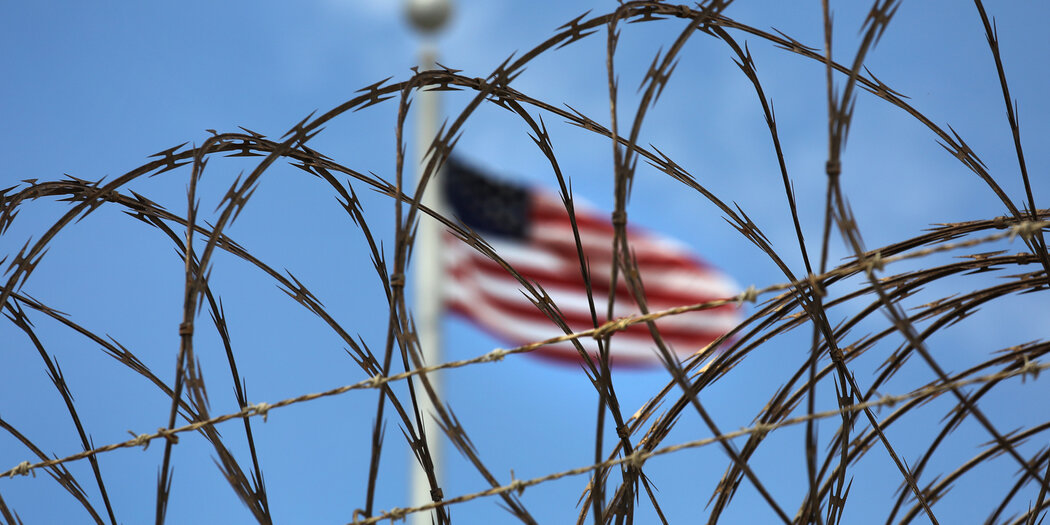
Following Election Day, the stock values of private prison companies have surged, outperforming even Tesla. This increase is primarily linked to the anticipated policies of the incoming administration, which plans for extensive deportations. As part of these plans, private prisons are expected to construct facilities to detain individuals during processing.
The topic of immigration remains highly contentious. The United States is recognized both as a nation built by immigrants and one governed by laws. There is a consensus across the political spectrum that the immigration system requires reform, particularly in securing the border and addressing an overwhelmed asylum system. Yet, the extent of the administration’s plans remains uncertain. While Donald Trump’s campaign threats about aggressive deportations have been notable, executing such plans poses significant challenges, including risks of tearing families apart, violating due process, and disrupting the economy. Trump’s warning that it will be “a bloody story” might be taken both seriously and literally.
Implications of Declaring a National Emergency
Conservative activist Tom Fitton recently claimed on Truth Social that Trump would declare a national emergency to implement a mass deportation program using military resources. Trump confirmed this with a response of “TRUE!!!”
The Brennan Center has explored how presidents can utilize rarely invoked laws to gain extensive powers. These emergency powers, though inadequately restricted, are still required to adhere to the rule of law. The Posse Comitatus Act prohibits using federal military forces for civilian law enforcement, a critical aspect of maintaining a liberal democracy. However, certain outdated laws provide exceptions.
Potential Use of the Insurrection Act and Other Laws
Trump has mentioned the Insurrection Act, which allows the president to deploy military forces domestically under specific conditions. This law is considered overbroad and potentially subject to misuse, providing the president with almost unrestricted authority. The federal judiciary’s historical deference to the executive branch further complicates matters.
Additionally, Trump has indicated a willingness to invoke the Alien and Sedition Acts of 1798. Despite being described by Thomas Jefferson as a “reign of witches,” these laws have been rarely used and remain controversial. Their application would be illegal except in wartime against a sovereign nation, as noted by Brennan Center’s Katherine Yon Ebright in her report.
Concerns Over the National Emergencies Act
The 1976 National Emergencies Act grants presidents substantial power with minimal guidelines for defining an emergency. The law’s potential for misuse has been a subject of scrutiny. President Biden faced criticism for attempting to use it to cancel student debt, and conservative figures like Senator Mike Lee have called for reforms. The Act was previously used by Trump to divert funds for a border wall.
Stephen Miller stated last year that this time the law would be utilized to fund vast holding facilities for immigrants. The Brennan Center has long advocated for the repeal or reform of such statutes to prevent excessive presidential power while emphasizing adherence to the Constitution and the rule of law.
Judiciary’s Role in Upholding the Rule of Law
The legal system may soon encounter significant challenges in determining whether to uphold individual protections and the rule of law or succumb to political pressures. The Brennan Center is preparing to contest potential abuses of power in courtrooms nationwide, drawing on its expertise to safeguard constitutional principles.